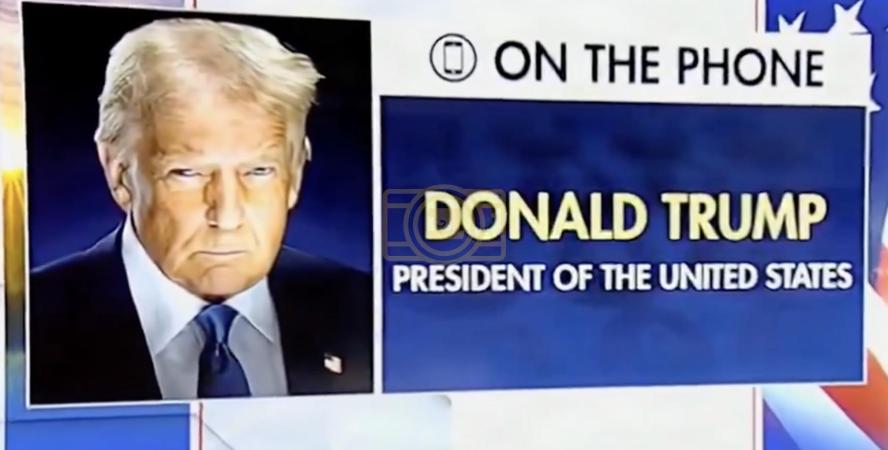
TRUMP OPEN TO BIPARTISAN CREDIT CARD RATE CAP: President Says 10% Limit Could Bring Relief to Americans

Gallery
Videos
President Donald Trump says he is willing to work with Democrats to impose a temporary 10% cap on credit card interest rates, potentially opening the door to a rare bipartisan agreement on consumer affordability. During an interview on Fox News, Trump was asked whether he could cooperate with Democrats to implement a one-year limit on credit card interest rates, and he responded affirmatively. "It is… I would do it," Trump said, expressing frustration with the financial industry's high interest charges and fees. "The credit card companies — they're getting too much. The fees are too high, and the interest is too high," the president declared. The proposal aims to reduce the financial burden on millions of Americans carrying outstanding credit card balances, particularly as household debt continues to rise. Trump previously called for a temporary 10% interest rate cap earlier this year, but the proposal failed to gain sufficient support in Congress.
The president's latest remarks could revive the initiative as Democrats prepare to take control of both chambers of Congress following the November midterm elections, potentially creating an unusual opportunity for cooperation between the White House and congressional opposition. Democratic lawmakers, including Senator Elizabeth Warren, have previously supported legislation to limit credit card interest rates, while Republican Senator Josh Hawley has also backed similar proposals. According to Federal Reserve data, credit card interest rates remain substantially higher than the proposed 10% ceiling, meaning the measure could significantly reduce borrowing costs for consumers who carry balances. Financial institutions, however, have warned that imposing such a cap could force lenders to restrict credit access for riskier borrowers, reduce rewards programs or tighten lending standards. Trump has not yet outlined a formal legislative plan or implementation timeline, but his willingness to work with Democrats signals renewed attention to the issue as the administration seeks ways to address the affordability concerns facing American households.