HORMUZ SHOWDOWN: Secretary Rubio Claims Iran Has Lost Control Of Strait
Gallery
Videos
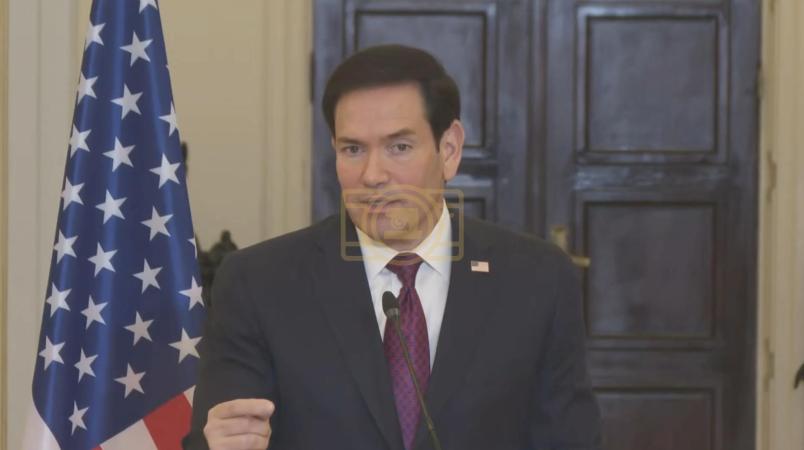
Secretary of State Marco Rubio told reporters in Athens this week that the Strait of Hormuz is effectively open again, claiming oil flows through the critical waterway have climbed back to nearly pre-war levels and that Iran has lost complete control of the passage. Rubio tied the shift to the ongoing U.S. naval blockade and months of economic pressure, arguing that Tehran's leadership, not Washington, bears responsibility for the hardship facing Iranian citizens. He pointed to funding for groups like Hezbollah, Hamas, and the Houthis as evidence that Iran's government has prioritized regional proxy wars over its own population. His remarks framed the pressure campaign as a deliberate and successful strategy by the Trump administration to force concessions from Tehran.
The claim is far from settled, however. Independent tracking services including IMF PortWatch and Kpler have reported sharply reduced tanker traffic through the strait in recent days, with some data showing only a handful of vessels transiting compared to roughly 85 per day before the conflict, and Iranian officials have flatly rejected Rubio's characterization as pressure-driven messaging rather than fact. Tehran's Supreme National Security Council has said the strait will not reopen under threats, while fresh reports of tanker strikes and disabled vessels continue to surface even as Washington insists the tide has turned. Oil markets have remained volatile, with prices swinging as both sides stake out dramatically different pictures of who currently controls the waterway. For now, the dispute over Hormuz looks less like a resolved standoff and more like a contested claim in an active, unresolved conflict.