DRAFT LAW: Liberman Says New Bill Must Get Past IDF Chief, High Court And HaRav Dov Landau
Gallery
Videos
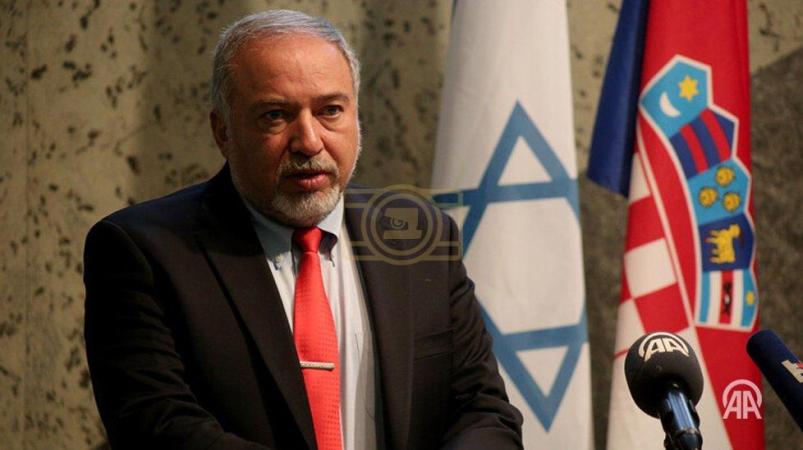
Avigdor Liberman, the newly elected chairman of the Knesset's temporary Foreign Affairs and Defense Committee, has announced plans to begin work on a new military conscription bill targeting the long-standing debate over ultra-Orthodox enlistment in the Israel Defense Forces (IDF). Speaking Monday, November 16, Liberman said discussions on the legislation would begin that afternoon and emphasized that any proposal must clear three critical hurdles: approval from IDF Chief of Staff Lt. Gen. Eyal Zamir, scrutiny by the High Court of Justice, and acceptance by Rabbi Dov Landau, a leading spiritual authority in the ultra-Orthodox community. Liberman described the proposed legislation as the fairest possible solution, arguing that it must meet the military's operational needs while also addressing the concerns of the Haredi community. However, he acknowledged that the proposal would not require everyone to serve, explicitly stating, "It won't mean conscription for everyone, but it will be the fairest law." His announcement signals a renewed effort to address one of Israel's most contentious domestic political and security issues.
Liberman has long advocated expanding military service among yeshiva students and ending the benefits and exemptions associated with their longstanding draft arrangements. His latest initiative comes as Israel continues to face military personnel shortages and increased demands on active-duty soldiers and reservists following years of conflict. Alongside the proposed legislation, Liberman announced plans to summon senior security officials, including the IDF chief of staff, Mossad director Roman Gofman, Shin Bet chief David Zini, and Israel Police Commissioner Daniel Levy, for committee discussions. The debate is particularly significant following the High Court's June 2024 ruling that there was no longer a legal basis for blanket exemptions for eligible ultra-Orthodox men. Meanwhile, the proposed law will have to navigate competing demands from the military, political leadership, judicial authorities, and Haredi religious representatives. Whether Liberman can secure an agreement acceptable to all three institutions could determine the future of ultra-Orthodox military conscription in Israel.