Terror Crackdown: Rubio Sanctions Antifa-Linked Networks Worldwide
Gallery
Videos
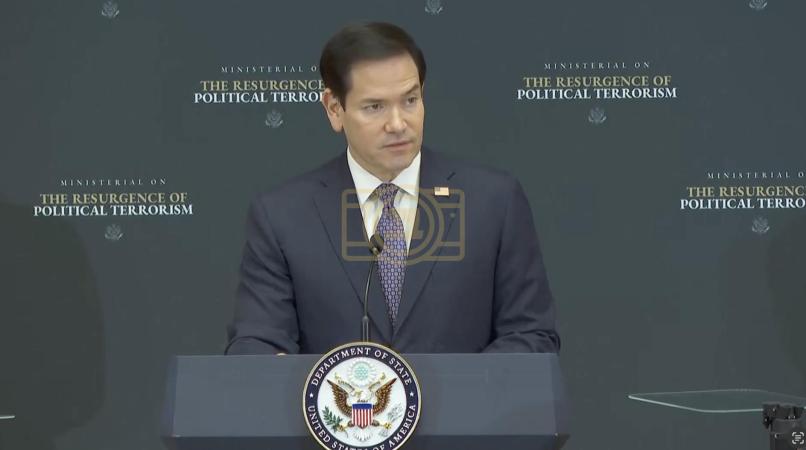
Secretary of State Marco Rubio has announced a major new U.S. sanctions action targeting organizations the Trump administration describes as violent far-left terrorist networks. The measures include Italy-based Autistici/Inventati, a technology collective that the State Department says provides digital services used by violent left-wing extremist groups, as well as Palestine Action and the transnational group Masar Badil. Rubio declared that “far-left terrorism poses a profound threat to the United States and the broader West,” signaling a significant expansion of the administration’s counterterrorism focus.
Autistici/Inventati has drawn particular attention because of its role in providing digital infrastructure, including encrypted communications, web hosting and other privacy-focused services. U.S. officials allege that its services have been used by violent Antifa cells and other extremist organizations, making the group a target of Washington’s latest financial restrictions. The designation places the collective under the U.S. sanctions framework and blocks property and financial interests subject to U.S. jurisdiction.
The action comes weeks after Rubio convened an international meeting focused on political violence and urged governments to place greater attention on what the administration calls far-left terrorism. In July, officials from more than 60 countries participated in discussions in Washington, where Rubio argued that left-wing political violence had received insufficient attention from the international counterterrorism community. The administration has increasingly made violent extremist networks on the far left a central part of its broader national-security agenda.
The sanctions are also likely to intensify an already fierce political debate over how the United States defines and responds to political extremism. Supporters of Rubio’s approach argue that violent organizations and the infrastructure supporting them should face the same financial pressure applied to other terrorist networks, while critics have warned that broad counterterrorism designations can create serious questions involving political expression, civil liberties and legitimate protest. The designation of Palestine Action, for example, has already drawn criticism from the organization, which disputes the U.S. characterization of its activities.
For the Trump administration, however, the message is unmistakable: organizations accused by U.S. authorities of facilitating political violence should expect increasing financial and international pressure. Rubio’s latest action puts technology providers, activist networks and alleged extremist organizations under a much brighter spotlight, potentially forcing governments and private institutions to reassess their relationships with designated groups. The bigger question now is whether Washington’s expanding campaign will lead to additional designations—and how far the administration is prepared to go in dismantling what it describes as a transnational far-left extremist infrastructure.