Massive Secondary Explosions Rock Nabatieh as Israel Hits Hezbollah Munitions Hubs.
Gallery
Videos
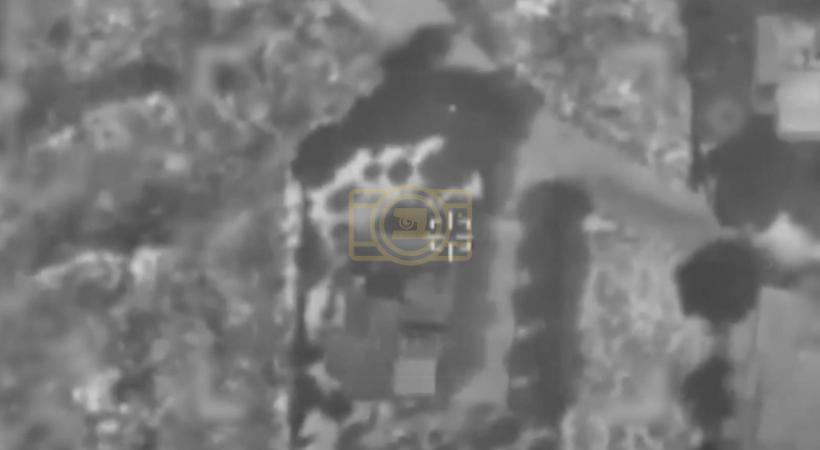
The Israel Defense Forces carried out targeted strikes on Hezbollah weapon storage facilities in the Nabatieh area of southern Lebanon on Thursday. The operation came as a direct response to Hezbollah launching two explosive drones at IDF soldiers operating on the Ali-Taher Ridge. Aerial footage released by the military shows the precision strikes impacting the sites, followed by clear secondary explosions that confirm the presence of stored munitions. These blasts sent plumes of smoke and debris into the air, underscoring the scale of the material hit. The exchange highlights the tense reality on the ground even under a fragile ceasefire arrangement.
According to the IDF, the strikes were carefully calibrated to neutralize the threat posed by the weapon depots while limiting broader escalation. Hezbollah’s use of explosive drones against troops on the ridge marked a clear violation of the existing understandings, prompting the swift Israeli reaction. The video evidence of secondary detonations serves as visual confirmation that the targeted buildings contained significant quantities of arms or explosives. Such imagery is often released to demonstrate the accuracy and justification of the military action. Residents in the surrounding area would have felt the force of the blasts as the munitions cooked off.
The incident unfolds against the backdrop of a fragile ceasefire that has been in place since June 2026. Israeli forces remain active inside a southern Lebanon security zone with the stated goal of dismantling remaining threats and preventing future attacks. Hezbollah continues to challenge the extent of Israeli presence, denying that Israel holds full control over the Ali-Taher Ridge. This disagreement over territorial realities on the ground keeps tensions elevated and raises the risk of further tit-for-tat exchanges. Both sides appear locked in a pattern of limited but sharp responses rather than full-scale confrontation.
Military observers note that weapon storage sites remain high-value targets because they enable Hezbollah to sustain drone and rocket capabilities close to the border. By striking after the drone attack, the IDF aims to degrade those stockpiles and deter additional assaults on its troops. The secondary explosions visible in the footage provide strong indication that the intelligence leading to the targets was accurate. At the same time, the continued Israeli presence in the security zone and Hezbollah’s refusal to accept full Israeli control of the ridge ensure that friction points persist. Each new incident tests the durability of the ceasefire framework.
As the dust settles over Nabatieh, questions linger about whether this exchange will remain isolated or signal a broader uptick in cross-border activity. The IDF’s decision to publicize the secondary blasts reinforces its narrative of precise, intelligence-driven operations aimed at protecting soldiers. Hezbollah, for its part, is likely to frame the Israeli strikes as aggressive expansion within Lebanese territory. For civilians living near the targeted facilities and along the ridge, the events serve as another reminder of how quickly relative calm can give way to sudden violence. The coming days will reveal whether both sides choose restraint or further retaliation.