Yerushalayim Posek Raises Halachic Concerns Over Human-Shaped Dolls and Decorative Figurines

Gallery
Videos
A prominent Yerushalayim posek has raised halachic concerns regarding human-shaped dolls and decorative figurines, warning that certain commonly used children's toys and household ornaments may fall under longstanding prohibitions concerning the creation and possession of human images.
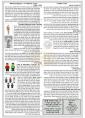
Rav Chaim Aharon Bleier, a noted posek from Yerushalayim's Minchas Yitzchok neighborhood, addressed the issue in his weekly halachic publication, Chukei Chaim, examining the circumstances under which three-dimensional representations of the human form may be prohibited.
The discussion has attracted attention because of its potential implications for popular children's toys, including human-shaped figurines commonly found in Chareidi homes.
According to Hebrew-language reports, Rav Bleier explained that the halachic concerns extend beyond statues and decorative sculptures to certain dolls and figurines manufactured for children.
The discussion distinguishes between toys used regularly by children and ornamental figures displayed prominently in homes.
Some halachic authorities permit keeping children's dolls because they are treated as ordinary playthings rather than objects of honor or decoration. However, Rav Bleier raised additional questions concerning the manufacture and purchase of complete human-shaped figures.
Particular concern was expressed regarding decorative silver figurines depicting complete human forms, especially when displayed in prominent locations such as glass cabinets.
Rav Bleier also discussed possible solutions for dolls already in a family's possession, including altering part of a figure's face in a manner that addresses the relevant halachic concern.
The ruling has drawn attention to the distinction between ordinary children's toys and decorative objects, as well as the responsibilities of manufacturers and purchasers.
The issue involves established halachic discussions concerning three-dimensional human representations, with different opinions regarding the circumstances in which such objects may be manufactured, purchased, or kept.
The reported ruling reflects Rav Bleier's halachic position and should not be understood as a universal prohibition adopted by all rabbonim.
Families seeking practical guidance regarding particular toys or decorative objects are encouraged to consult their own rav.