NUCLEAR THREAT WARNING: PM Netanyahu Accuses Iran's New Leader of Pursuing Atomic Weapons
Gallery
Videos
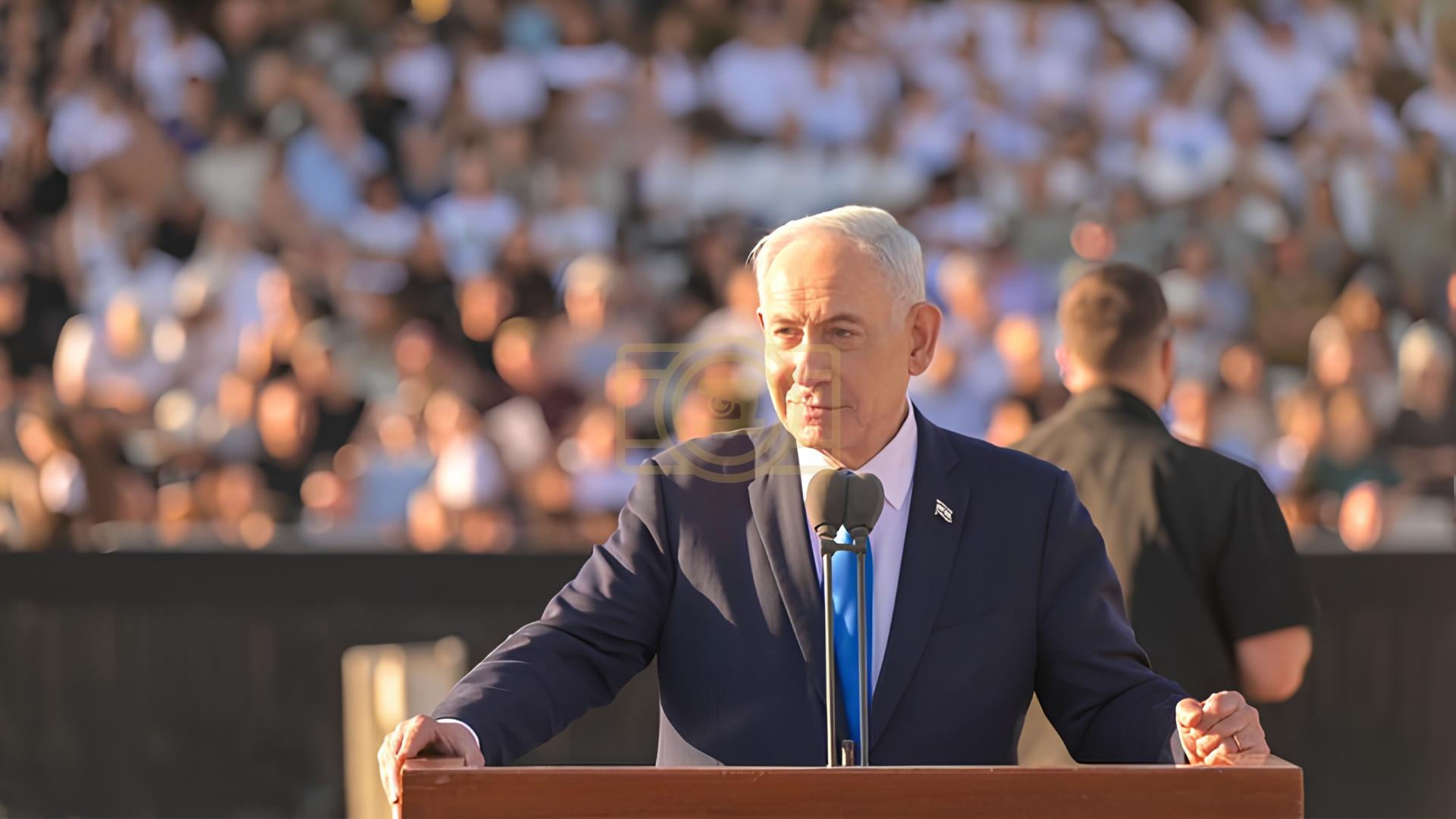
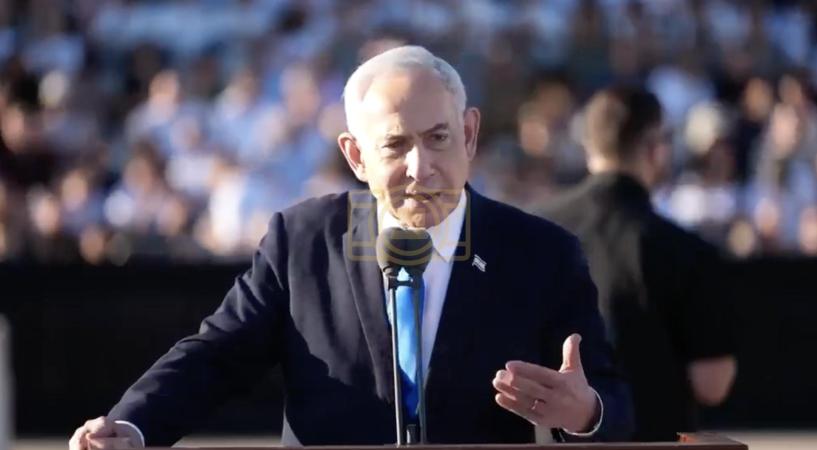
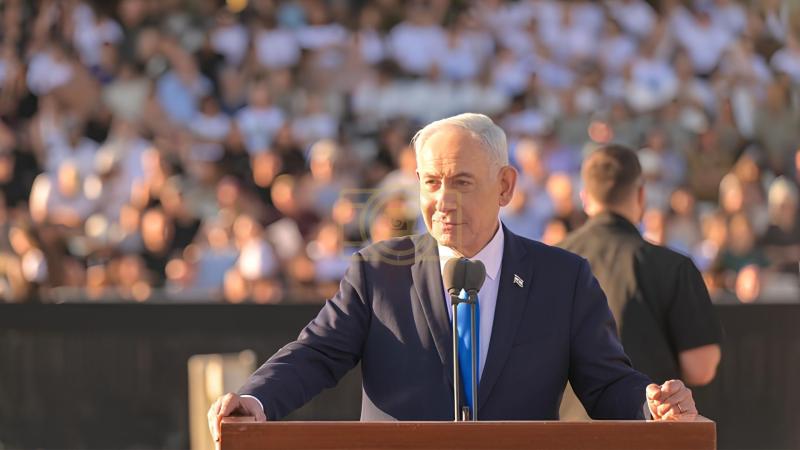
Israeli Prime Minister Benjamin Netanyahu has issued a forceful warning over Iran’s nuclear ambitions, accusing the country’s new Supreme Leader, Mojtaba Khamenei, of pursuing nuclear weapons and declaring that removing the Iranian regime from power is necessary to eliminate the threat. In his statement, Netanyahu said Tehran had failed to learn from previous confrontations and accused Khamenei of following the path of his father, Ali Khamenei, in pursuing what he described as “bombs of death.” The Israeli leader argued that the threat extends beyond Israel, presenting Iran’s alleged nuclear weapons ambitions as a wider security concern. He also said he had instructed the Israel Defense Forces (IDF), the Mossad and other security agencies to work toward the objective of toppling the Iranian regime. The remarks signal an uncompromising position toward Tehran at a time when Iran’s nuclear program and regional military activities remain central to Middle Eastern security concerns. However, Netanyahu’s accusation that Iran’s new leader has ordered the development of nuclear weapons should be understood as a claim by the Israeli prime minister, rather than independently established proof of such an order.
Netanyahu’s call for regime change goes beyond the stated objective of preventing Iran from acquiring nuclear weapons, raising questions about Israel’s intended endgame and the potential consequences for regional stability. Israel has long argued that Iran’s nuclear program, ballistic missile capabilities and support for armed groups pose serious threats to its security, while Tehran has maintained that its nuclear activities are peaceful. The International Atomic Energy Agency’s ability to verify Iran’s nuclear activities and determine the status of its program is therefore an important factor in assessing competing claims. Netanyahu’s directive also places Israel’s intelligence services and military at the center of a strategy aimed not only at countering specific capabilities but at fundamentally changing Iran’s political leadership. Such an objective carries substantial uncertainties, including how it could be achieved, what might follow a change of government and whether it would reduce or intensify regional conflict. As tensions continue, the central questions are what evidence supports the latest allegations, what actions Israel may take next and how the United States and other international powers will respond.