WORK REVOLUTION: Elon Musk Predicts AI Will Reshape Work.
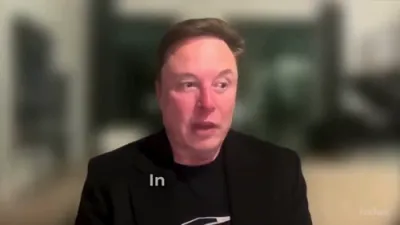
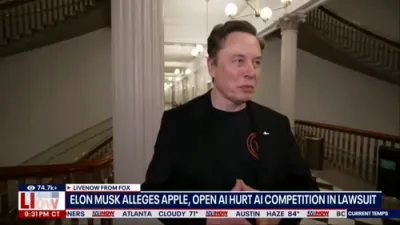
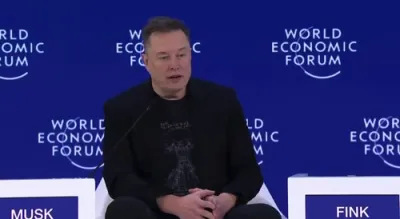
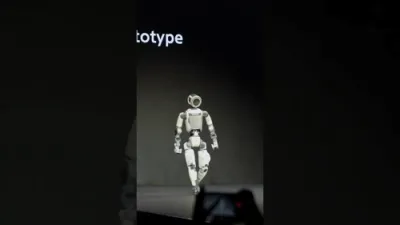
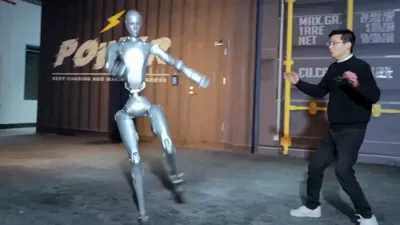
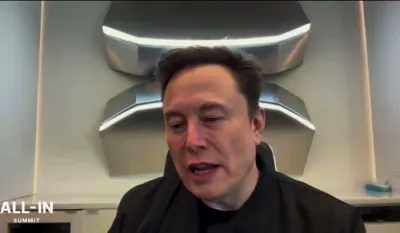
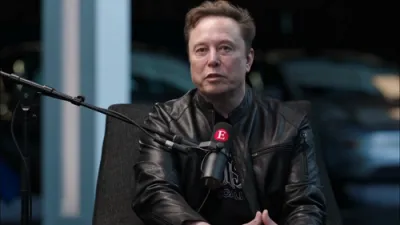
Elon Musk is once again warning that artificial intelligence could fundamentally transform the way people earn a living, with a widely circulated claim that workers may have only a few years left before selling their time becomes far less economically valuable. The statement has sparked intense discussion online, where it is being framed as a warning that AI could eventually perform a huge share of tasks currently handled by human employees. Musk’s broader argument is that increasingly capable AI and robotics could make traditional employment dramatically less necessary over time.
The specific “three years” claim, however, should be treated as a prediction rather than an established timetable. The quotation is circulating widely online, but a reliable primary source confirming that Musk made the exact statement in the wording provided was not located. What is consistent with Musk’s documented views is his longstanding prediction that AI and automation could eventually produce a world in which traditional employment is no longer necessary for many people, making the precise three-year deadline much less certain.
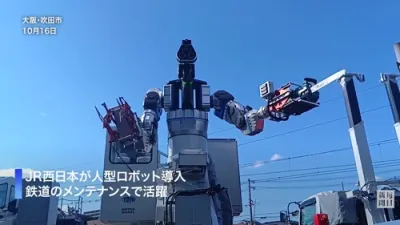
The economic implications of that scenario would be enormous. If AI systems can perform professional, administrative, creative and technical tasks at a fraction of the cost of human labor, businesses could have a powerful financial incentive to automate work that is currently performed by employees and contractors. That does not necessarily mean humans will stop working within three years, but it does raise a major question about which skills will retain economic value as machines become capable of handling increasingly complex assignments.
For workers, the warning highlights a shift from simply selling hours toward building expertise, businesses, intellectual property, products, audiences or systems that can generate value beyond a person's immediate labor. AI itself could become an important part of that transition, allowing individuals to produce more with fewer resources and potentially create income streams that are less directly tied to the number of hours they work. At the same time, the speed and scale of that transition remain uncertain, and history suggests that technological revolutions often create new forms of employment even as they eliminate or transform older ones.
The bigger question is therefore not whether every human job will disappear on a specific date, but whether the economic value of human time will continue changing at a pace that workers can keep up with. Musk’s prediction offers an intentionally dramatic timeline, but the underlying issue is already here: AI is rapidly changing what companies can automate and what individual workers can accomplish. For anyone still relying entirely on exchanging hours for income, the question is becoming increasingly difficult to ignore—what happens to your earning power when the technology doing the same work becomes faster, cheaper and available around the clock?