DIGGING OUT DISASTER: China's Engineers Battle Mud to Reopen Gyirong Lifeline
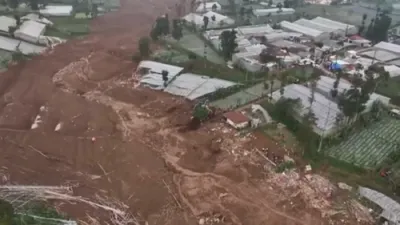
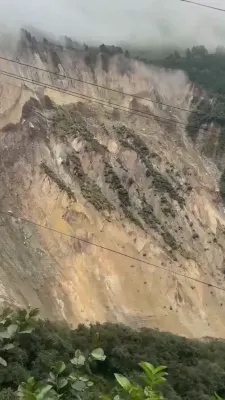
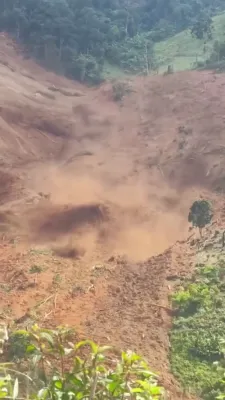
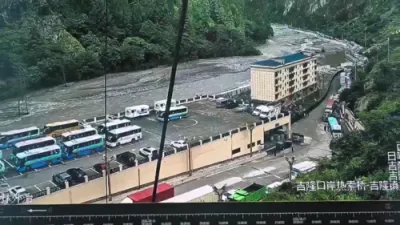
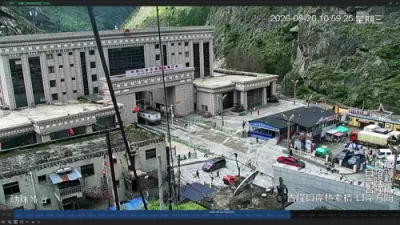
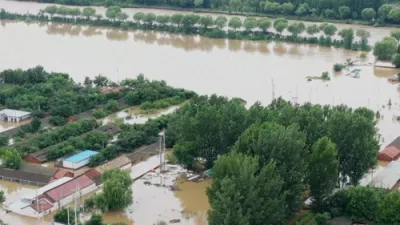
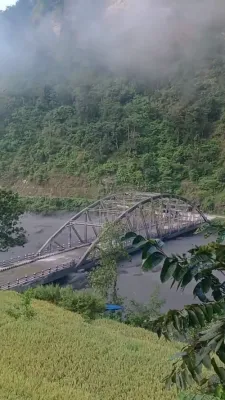
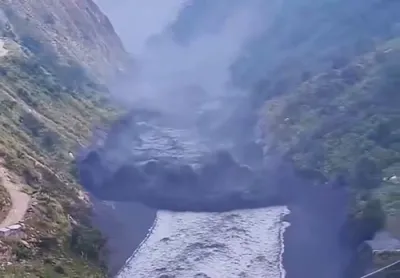
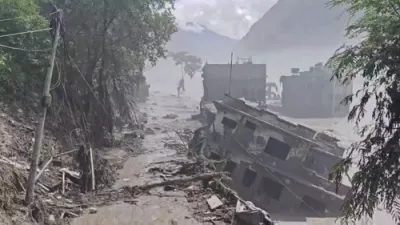
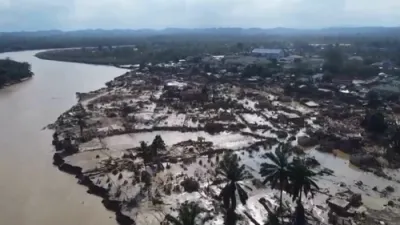
Just days after a catastrophic glacier collapse in Nepal sent a wall of mud, rock, and debris crashing across the border, China has already begun reconstruction efforts on its side of the devastation. The disaster struck on August 26, 2026, when a high-altitude glacier gave way near the Nepal-China border, unleashing a fast-moving debris flow that tore through China's Gyirong Port in the Tibet Autonomous Region. The impact was severe: several people were confirmed dead on the Chinese side, with more than 550 others still listed as missing, while hundreds more casualties were reported across the border in Nepal. The scale of destruction has made this one of the deadliest cross-border natural disasters to hit the region in recent memory.
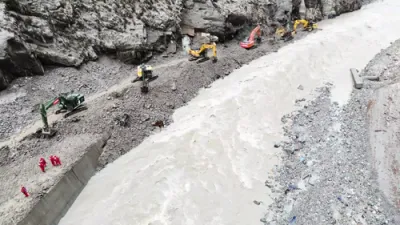
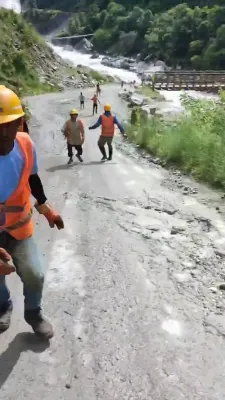
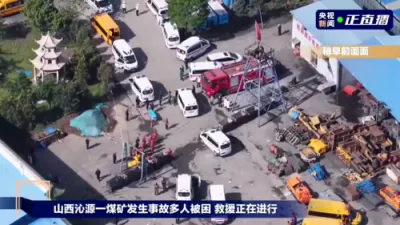
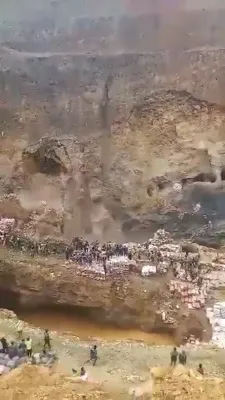
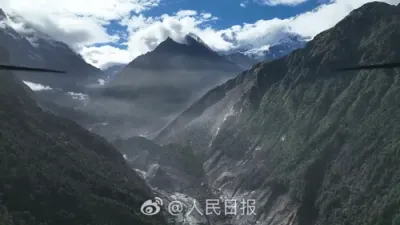
Rather than waiting for the search-and-rescue phase to conclude, Chinese engineering teams have already shifted part of their focus toward restoring basic infrastructure in the affected valley. Footage circulating from the scene shows crews, including personnel and heavy machinery from China Aneng Rescue, working to clear massive amounts of mud and rock that buried roads leading into the disaster zone. The priority, according to officials on the ground, is straightforward: reopen the roads first, since without them, neither aid nor further rescue equipment can reliably reach the hardest-hit areas. Excavators have been seen cutting through thick layers of debris in the rugged, high-altitude terrain, a task made harder by the sheer elevation and unstable ground left behind by the mudslide.
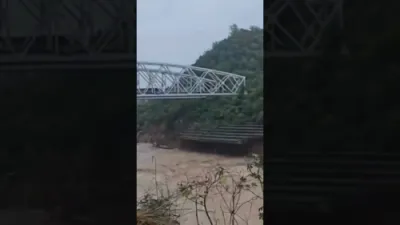
The urgency behind the road repairs reflects just how isolated the region has become since the disaster struck. With sections of a key national highway damaged and difficult to access, engineering teams have had to work in punishing conditions, clearing the route in stages rather than all at once. Every kilometer reopened brings rescuers and supplies closer to Gyirong Port itself, where the damage has been described as severe enough to erase the outlines of buildings that once stood there. For the communities and rescue workers still searching for survivors, the reconstruction effort isn't just about long-term recovery, it's a lifeline that determines how quickly help can reach those still trapped or missing.
As the death toll and missing persons count continue to be assessed on both sides of the border, China's early move to repair infrastructure signals a broader strategy of tackling recovery on multiple fronts at once. Search operations, infrastructure repair, and disaster assessment are all unfolding simultaneously in a race against difficult terrain and worsening conditions. While questions remain about how long full reconstruction will take, the immediate response shows a clear focus on restoring access before anything else. For now, the roads being cleared through the mud represent the first concrete steps toward reconnecting a region cut off by one of the most destructive natural disasters the area has seen.