MORE BARRELS, LESS IRAN: Vance Defends Venezuela Oil Push
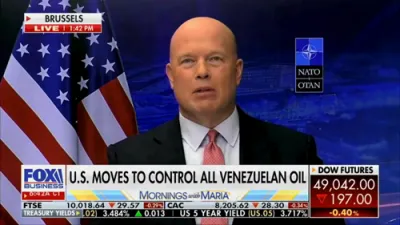
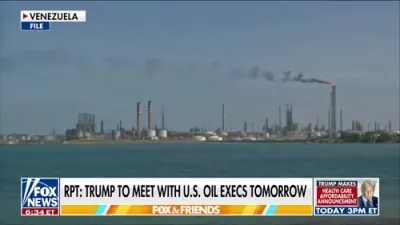
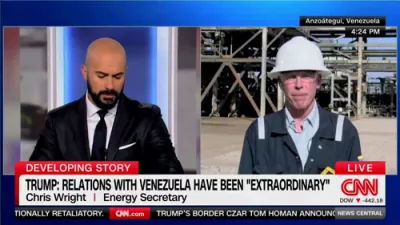
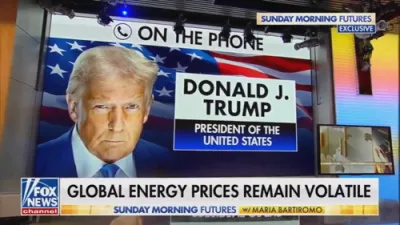
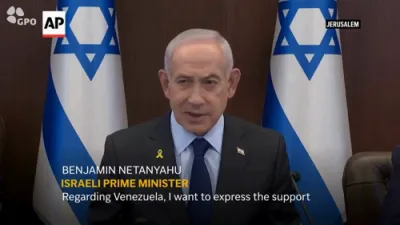
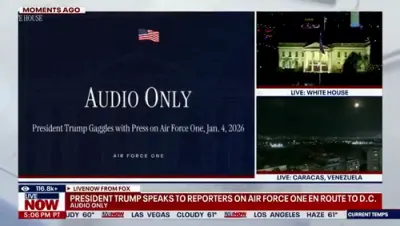
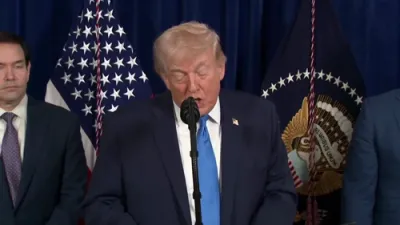
Vice President JD Vance laid out a blunt case for why the Trump administration's push to expand Venezuelan oil production matters far beyond Venezuela itself. Speaking to reporters, Vance argued that more oil flowing into global markets is good on its own, but oil flowing in under American influence is even better, since it increases supply diversity while chipping away at the leverage countries like Iran hold over global energy markets. His comments came as the administration works to implement a new deal granting the United States access to major, previously untapped Venezuelan oil reserves, following earlier US intervention and sanctions enforcement targeting the country's government. According to Trump, Venezuela has agreed to give the US control over an estimated 65 billion barrels of oil reserves, a figure that underscores just how significant this shift could be for global supply.
Vance's remarks fit into a broader pattern of the administration connecting its Venezuela strategy directly to its ongoing conflict with Iran, now roughly six months into an active war that began in late February. When asked directly whether the push to ramp up Venezuelan oil production was motivated by the situation with Iran, Vance was candid, saying that wasn't the primary reason behind the move but calling it "certainly a positive benefit." He's also described Iran's leadership in blunt terms, calling it "really, really crazy" and willing to take extreme measures to disrupt oil and gas flow through the Gulf, including what he claimed were Iranian efforts to lay mines in the Strait of Hormuz that the US had to respond to militarily.
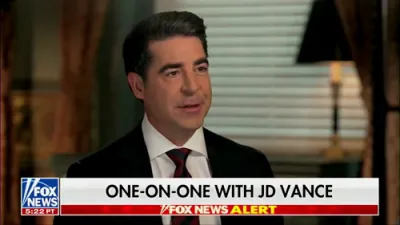
The administration's messaging around oil has shifted noticeably as the war has dragged on, and Vance's comments have occasionally put him at odds with the president's own framing of priorities. In one Fox News appearance, Vance stated plainly that keeping oil and gas prices low for Americans was the administration's top goal, with preventing Iran from acquiring a nuclear weapon coming second. That ordering drew a public correction from Trump, who insisted on social media that stopping Iran's nuclear ambitions has always been and will always be the number one priority, prompting the White House press secretary to insist that both goals carry equal weight. Regardless of how the priorities are ranked, the throughline in Vance's public comments has remained consistent: expanding non-Iranian oil sources, whether from Venezuela or increased flow through the Gulf, serves the dual purpose of stabilizing energy prices and weakening Iran's economic position.
The stakes for ordinary Americans are far from abstract. Gasoline prices in the US climbed above four dollars a gallon every single day in August, marking the most expensive August at the pump on record, even surpassing the supply chain disruptions seen during the pandemic. Against that backdrop, the administration's push to bring more Venezuelan oil online, alongside efforts to restore pre-war oil and gas flow through the Strait of Hormuz, reflects a strategy aimed at addressing both the immediate economic pain felt by American consumers and the longer-term geopolitical goal of reducing Iran's influence over global energy markets. Whether the Venezuela deal delivers the kind of price relief the administration is promising, or whether it primarily serves as a strategic counterweight to Iran, remains to be seen as the new arrangement moves from announcement to actual implementation.