COMMON GROUND WITH BEIJING: Bessent Says China Agrees Iran Must Stay Nuclear-Free
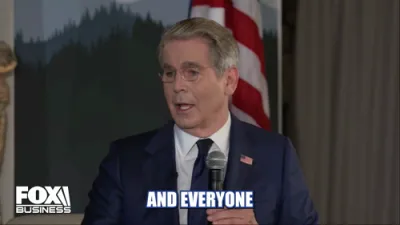
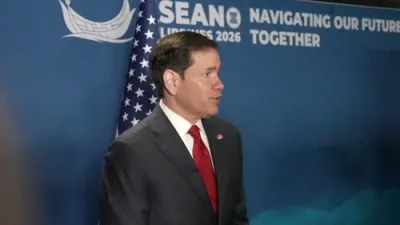
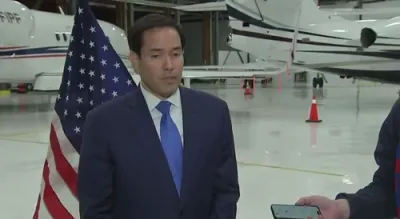
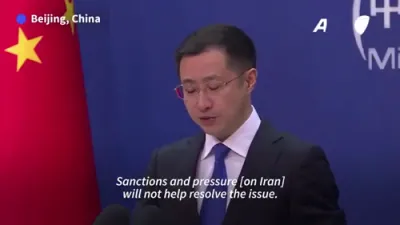
In a revelation that caught many off guard, Treasury Secretary Scott Bessent disclosed that the Trump administration has been holding private discussions with China aimed at preventing Iran from ever obtaining a nuclear weapon. Speaking to reporters following the G20 finance ministers meeting in Asheville, North Carolina, Bessent said the United States and China actually share far more common ground on the Iran issue than most people would assume. "We have more in common with the Chinese on Iran than we disagree with them," he said, adding pointedly that Beijing agrees Iran cannot be allowed to possess a nuclear weapon. It was a notably candid admission given how adversarial the broader US-China relationship has been on trade, technology, and security issues throughout the year.
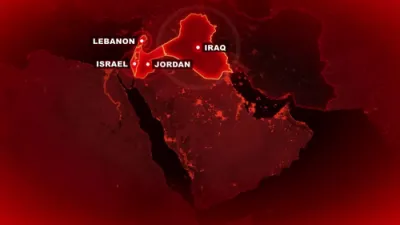
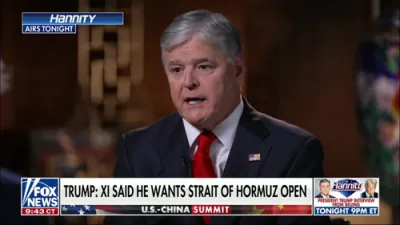
Bessent elaborated that the common ground extends beyond just the nuclear question. He said Chinese officials have also agreed that free and unrestricted maritime trade must be preserved through the Strait of Hormuz, a critical global shipping chokepoint that has been disrupted amid the ongoing conflict between the US and Iran. Bessent pointed out that China draws roughly half of its energy supply from the Gulf region, giving Beijing a direct and practical incentive to want stability restored in those waters regardless of its broader political alignment with Tehran. That shared interest, he suggested, is what has made quiet coordination between Washington and Beijing possible even as the two countries remain locked in disagreement on nearly everything else.
Still, Bessent was careful to temper expectations about what these conversations have actually produced so far. When pressed by reporters on whether the talks had resulted in any concrete agreement to help reopen the strait, he clarified that no specific deal exists yet. Rather, he said, the two sides have simply reached a shared understanding that the strait needs to remain open, without committing China to any particular action to make that happen. He described the broader exchanges with Beijing as "very productive, quiet conversations," and noted that similar informal discussions have also taken place with Russian officials, though he offered few additional details on where those talks currently stand.
The disclosure comes amid a much larger and more aggressive campaign by the Trump administration to economically isolate Iran, an effort Bessent has separately described in far more forceful terms, including vowing to "asphyxiate" the regime financially and cut off any bank or company doing business with Iran's Revolutionary Guard from the US dollar system. Framed against that backdrop, the quiet outreach to Beijing suggests Washington may be trying to build a broader international coalition against Iran's nuclear ambitions, one that includes even countries with which the US has significant friction elsewhere. Bessent also noted that a number of unnamed US allies have privately signaled support for the sanctions campaign, though he stopped short of naming which nations or specifying what commitments, if any, they've made. Whether this quiet alignment with China translates into real diplomatic pressure on Tehran remains an open question, but for now, Bessent's comments suggest Washington sees Beijing as a more willing partner on this specific issue than the broader rivalry between the two powers might suggest.