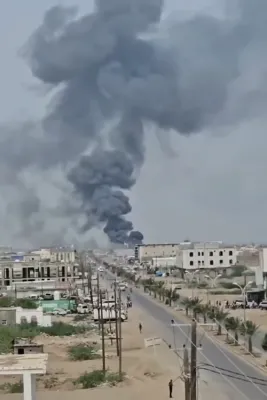
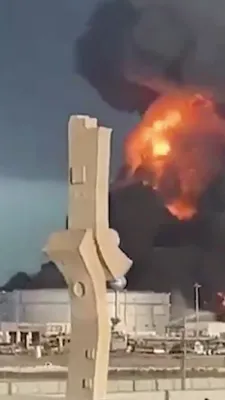
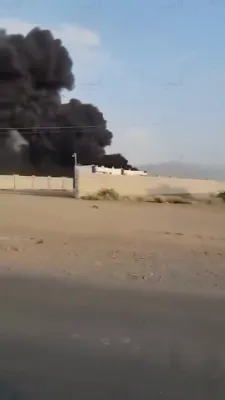
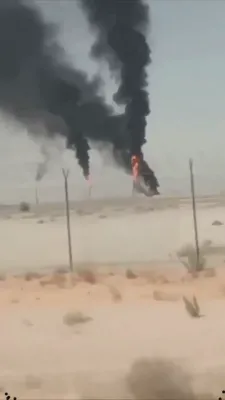
SATELLITES CAPTURE CHAOS: Houthi Strikes Set Saudi Oil Sites Ablaze
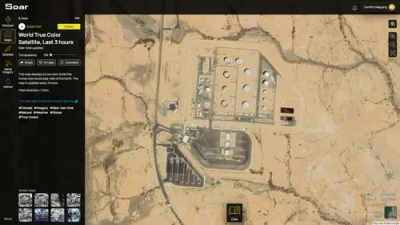
Fires broke out across multiple energy sites in southern Saudi Arabia on September 8 after Yemen's Houthi rebels launched a coordinated wave of drone and missile strikes, with satellite imagery showing thick plumes of smoke rising over Saudi Aramco's Abha Bulk Plant and its Jizan refinery visible from space. Saudi authorities confirmed the attacks hit facilities in four separate cities, Abha, Jizan, Najran, and Khamis Mushait, striking both energy infrastructure and King Khalid Air Base in a broad, simultaneous assault. Saudi-led coalition spokesperson Turki al-Malki said the strikes wounded 73 people, including women and children, though he offered few additional details about the extent of the injuries. Saudi Arabia's Energy Ministry confirmed that operations at the affected oil facilities and utilities were temporarily suspended as emergency crews worked to bring the fires under control.
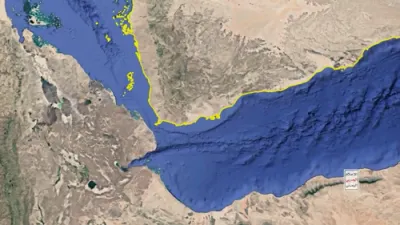
The southern region hit hardest by the attacks isn't a minor patch of Saudi infrastructure. It's home to major oil facilities, including a 400,000-barrel-per-day refinery in Jazan that ranks among Saudi Arabia's largest, a facility that has now come under repeated Houthi attack multiple times over the past several weeks alone. Firefighters were still battling the flames Tuesday morning, according to the Energy Ministry, as authorities worked to assess just how much damage the strikes had caused to a refinery system that plays a significant role in the kingdom's fuel production and export capacity. The Houthis specifically named Jazan City for Primary and Downstream Industries as one of their targets, describing it as a major industrial and logistics hub along Saudi Arabia's southwestern Red Sea coast.
Houthi military spokesperson Yahya Saree framed the attacks as retaliation, blaming Saudi Arabia for an earlier airstrike that hit a prison in Yemen's northern Jawf province and warning that "every aggression against our country and people will be met with a firm response." A deputy head of the Houthi media office went further in public statements, praising the strikes and declaring that the era of Saudi Arabia acting against Yemen "without response, deterrence or paying a price" was over. The Saudi-led coalition, for its part, condemned the attacks as a "dangerous" escalation and vowed a firm response, while the Energy Ministry pledged to take whatever measures were necessary to protect facilities, workers, and the continuity of operations.
This latest barrage is far from an isolated incident. It fits into a now-familiar and worsening pattern of spillover from Yemen's prolonged civil war, with the Houthis having claimed repeated strikes on Aramco's Jazan refinery alone over the past two months, alongside attacks on other Saudi energy sites like Yanbu and Najran. Each new strike raises fresh concerns about the vulnerability of Gulf energy infrastructure to a conflict that shows no sign of resolution, particularly given the Jazan facility's role in regional diesel and jet fuel supply. As firefighting crews continued working through Tuesday to contain the blazes and assess the damage, the attacks underscored just how directly Yemen's war can still reach deep into Saudi territory, threatening not just regional stability but a critical piece of the global energy supply chain.