RACE FOR THE STRAIT: Saudi Apaches Target Houthi Advance
RIYADH STRIKES BACK: Apaches Hammer Houthis Near Vital Strait
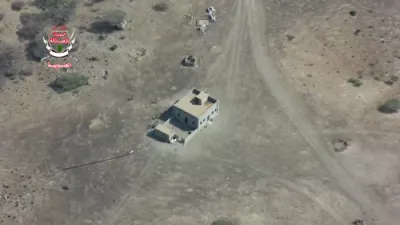
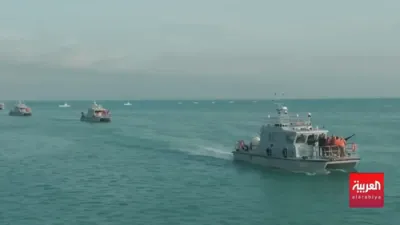
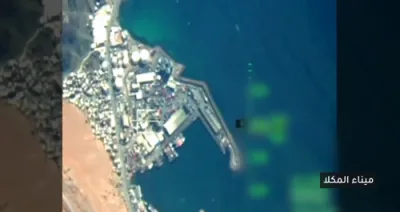
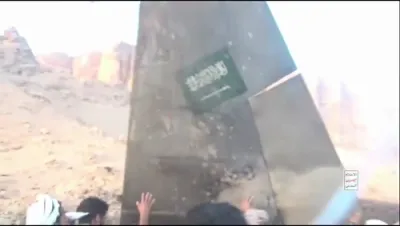
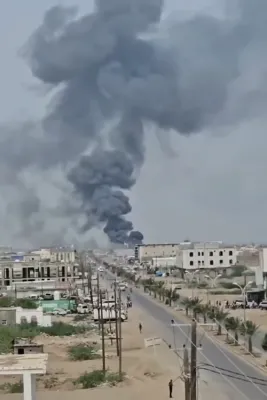
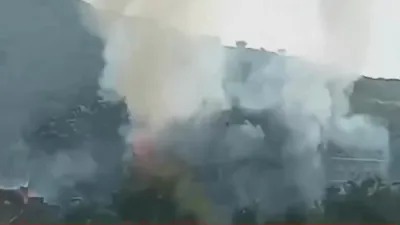
Saudi Arabia has escalated its response to the Houthi push toward the Red Sea, with reports indicating that Apache attack helicopters have struck Houthi positions and gatherings along the Al Mokha to Bab al-Mandab front. The strikes come as Riyadh scrambles to slow a rapid rebel advance that has already delivered the group control of the port city of Mokha and the nearby island of Mayun, putting Houthi forces within roughly 50 miles of one of the world's most important shipping chokepoints. Saudi forces have separately hit the airport at Mokha and other rebel positions in recent days, part of a broader campaign to blunt momentum that has alarmed officials across the region. The fighting has already left hundreds dead and forced tens of thousands of Yemeni civilians to flee their homes along the western coast.
The stakes driving this response go well beyond Yemen's borders. Bab al-Mandab has taken on outsized importance as an alternative shipping route while Iran squeezes traffic through the Strait of Hormuz, meaning Houthi control of its northern approaches would hand Tehran's allies leverage over two critical maritime corridors at once. Analysts tracking the conflict say the Houthis are deliberately pursuing this stretch of coastline for its naval reach, not just territorial gain, hoping to sustain long term pressure on Red Sea traffic. That calculus is reportedly a major reason Saudi Crown Prince Mohammed bin Salman has been pressing Washington for a tougher military response against the group.
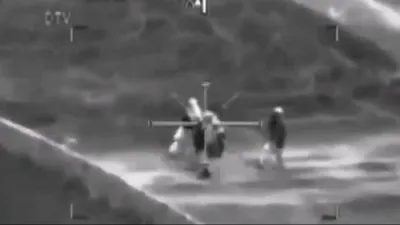
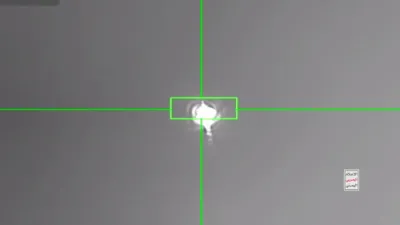
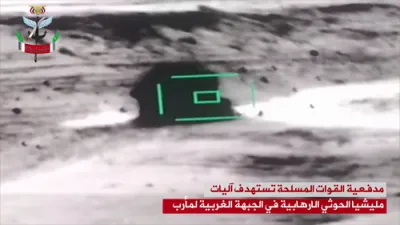
Even as the ground battle intensifies, a separate controversy has emerged around footage being shared online as proof of the latest Apache strikes. A thermal gun camera clip circulating alongside reports of the operation does show a helicopter striking ground targets, but several observers examining the video have flagged that it closely matches older, previously published American Apache footage from operations against Taliban fighters in Afghanistan, raising real doubts about whether it actually depicts anything happening on the Mokha front today. That mismatch is a reminder that even as the fighting on the ground is well documented by multiple outlets and government sources, individual pieces of viral video from a fast moving conflict zone deserve a second look before being taken as confirmation of any single strike.
What happens next along this stretch of coastline could shape the broader war far beyond Yemen. Saudi Arabia has so far avoided directly retaliating against some attacks tied to Iranian-linked groups, even as it steps up strikes against the Houthis themselves, suggesting a calculated effort to contain the fighting rather than let it spiral further. Whether Apache strikes and other Saudi air operations can actually stall the Houthi advance before it reaches the strait itself remains an open question, one with consequences for oil markets, global shipping, and the fragile balance of the wider regional conflict.