RED SEA RAID: Yemeni Forces Seize Iranian Drone Parts Bound for Houthis
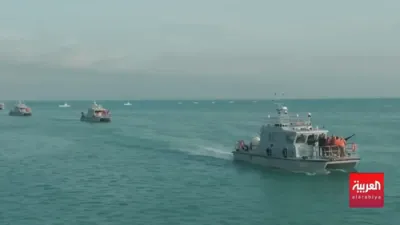
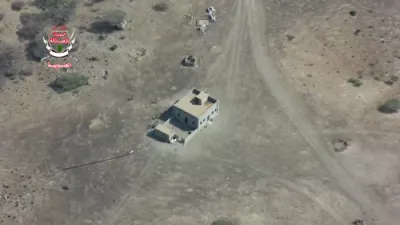
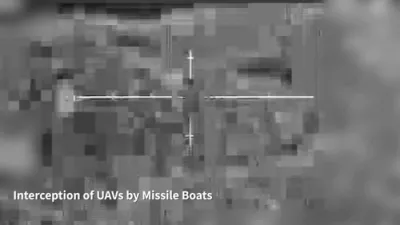
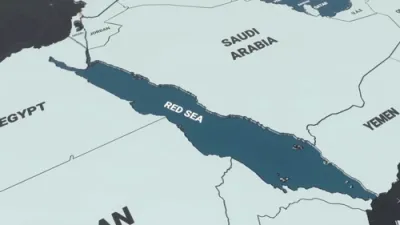
Yemeni naval forces have intercepted a vessel in the Red Sea carrying military electronics allegedly smuggled from Iran to the Houthi militia, according to Yemen's National Resistance Forces. The operation took place on August 24 following what officials described as an intelligence-led surveillance mission targeting a smuggling network believed to be operating on behalf of Iran's Revolutionary Guard Corps. Naval patrols intercepted the boat and detained its crew, and a Houthi drone reportedly conducting reconnaissance ahead of the vessel's movement was also shot down during the operation. The seizure comes amid ongoing efforts by Yemeni government-aligned forces to choke off the flow of Iranian arms into the country's years-long conflict.
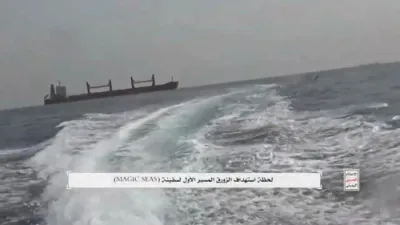
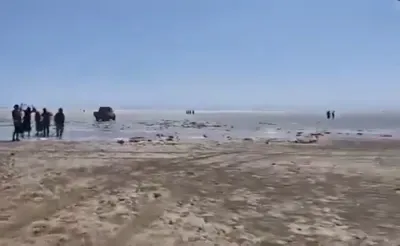
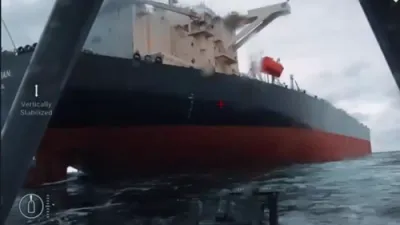
Footage released by the National Resistance Forces' media wing shows the small boat being intercepted at sea, followed by tables of seized equipment laid out for inspection. Among the items displayed were guidance and control systems, live image processing equipment, flight system components, wiring harnesses, antennas, and wireless communication hardware. According to the Resistance, these parts were intended for assembling offensive drones for the Houthis, who have used similar weapons to target shipping lanes and military positions across the Red Sea and Gulf of Aden. Independent verification of the equipment's exact origin has not been confirmed, though the presentation closely mirrors past seizures tied to Iranian supply networks.
This interception is the latest in a string of similar operations. In July of last year, the National Resistance Forces, led by General Tareq Saleh, seized what U.S. Central Command called the largest haul of Iranian advanced conventional weapons in the group's history, more than 750 tons of munitions including cruise missiles, anti-ship and anti-aircraft systems, and drone engines, some bearing manuals written in Farsi. CENTCOM commander Gen. Michael Erik Kurilla praised that seizure at the time, calling Iran "the most destabilizing actor in the region." The August 2026 seizure, while considerably smaller in scale, fits the same pattern that U.S. and Yemeni officials have described for years: Iranian-origin components moving by sea toward Houthi-controlled territory, often disguised among ordinary cargo.
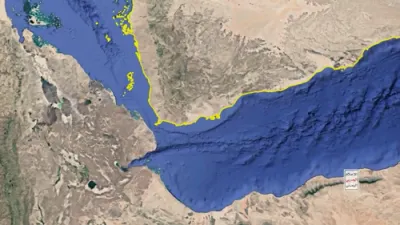
Yemen has been divided since the Houthis seized the capital, Sanaa, in 2014, triggering a Saudi-led coalition intervention the following year in support of the internationally recognized government. The National Resistance Forces are among the factions fighting alongside that government against the Houthis, and their interdiction efforts have drawn consistent backing from CENTCOM as part of a broader push to protect Red Sea shipping lanes and limit Iranian influence in the conflict. Yemeni authorities have also moved on a related front, recently ordering the closure of ports operating outside government control in an effort to further cut off arms supply routes to the Houthis. Whether this latest seizure meaningfully disrupts drone production for the militia remains to be seen, but it underscores how contested the Red Sea corridor continues to be.