NO OFFENSIVE TROOPS: Turkish Foreign Minister Fidan Stresses Defensive Nature of Saudi Alliance
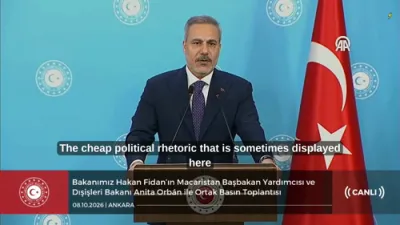
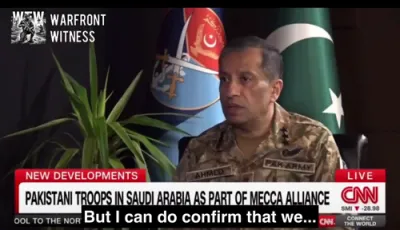
Turkish Foreign Minister Hakan Fidan made clear that Turkey will not send troops into another country to launch an attack under the Mecca Joint Defense Agreement, emphasizing that the pact is strictly defensive in nature. Speaking about the trilateral alliance with Saudi Arabia and Pakistan, Fidan said Ankara is instead studying ways to help Saudi Arabia confront Houthi attacks, particularly through air defense support. The agreement, signed in August 2026, functions similarly to a collective defense clause and was activated on October 5 amid escalating Houthi strikes and territorial gains in Yemen that threatened Saudi targets. Fidan stressed that while Turkey stands ready to assist an ally under attack, it will not deploy forces for offensive operations on foreign soil. Officials have discussed technical and defensive contributions, including air defense systems, to bolster Saudi capabilities. The foreign minister’s remarks came after recent meetings of the alliance’s strategic committee in Riyadh focused on rapid defensive support. His clarification aims to define the limits of Turkish involvement as the pact moves toward parliamentary ratification.
The Mecca agreement commits the three nations to treat an armed attack on one as an attack on all, prompting coordinated planning after the Houthis intensified their campaign against Saudi territory. Fidan reiterated that the focus remains on defensive measures rather than any ground offensive inside Yemen. Turkish military and technical teams are evaluating specific needs such as air defenses, electronic warfare, and related support to protect Saudi infrastructure and cities. The stance reflects Ankara’s preference for assisting within Saudi borders while avoiding direct combat roles against the Houthis. Both Saudi and Pakistani counterparts have engaged in the same discussions to determine the practical form of collective assistance. Fidan’s comments provide a firm boundary on the alliance’s scope as regional tensions continue. The defensive framing seeks to reassure domestic audiences while fulfilling solidarity commitments under the new pact.