SAUDI DEFENSE CRISIS LOOMS: Expert Warns Houthi Airport Strikes Could Drag US In
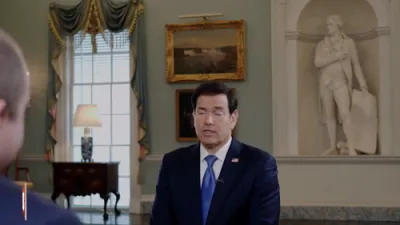
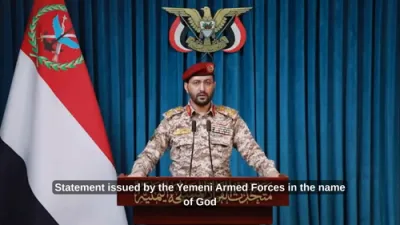
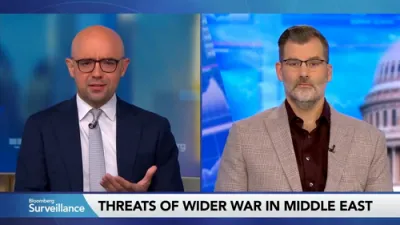
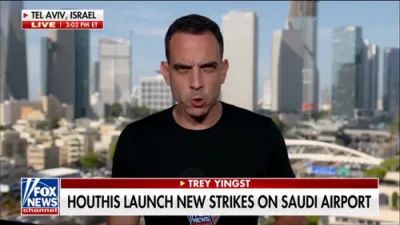
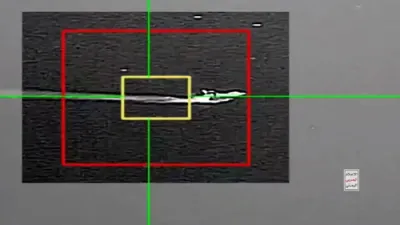
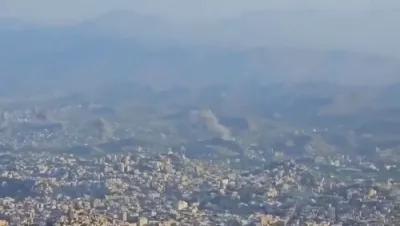
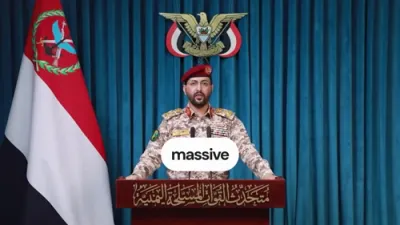
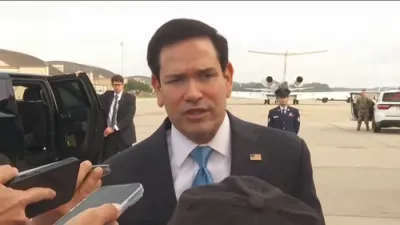
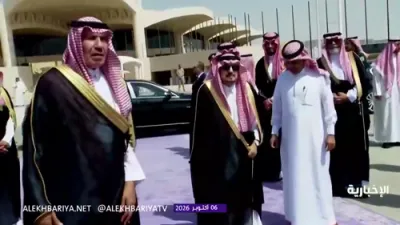
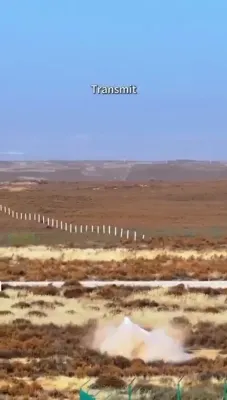
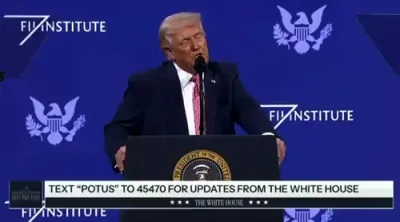
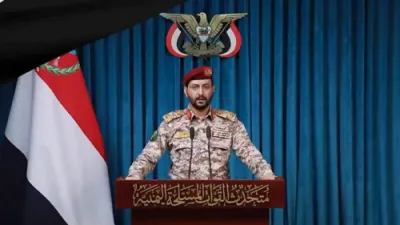
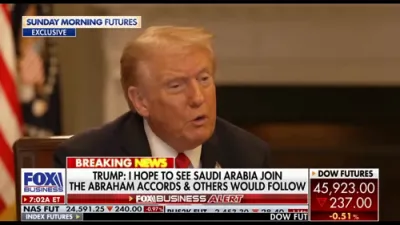
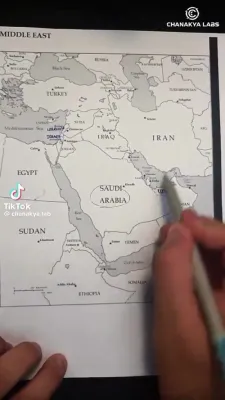
Retired Colonel Wayne Sanders of Bloomberg Intelligence has examined on Bloomberg Television whether the sharp escalation of attacks by Yemen’s Houthis on Saudi Arabia could pull the United States into directly defending the kingdom. Sanders focused on the recent deadly missile and drone strikes that hit Riyadh’s King Khalid International Airport, which killed at least 12 to 13 people and injured more than 300 in early October 2026. The assaults forced the suspension of flights and exposed gaps in Saudi air defenses at a time when fighting in Yemen has intensified once again. He noted that the Houthis, widely viewed as an Iranian proxy, have targeted critical infrastructure including airports and oil facilities, raising the stakes for regional stability. The discussion underscored the pressure now facing the Trump administration as it weighs how far to go in supporting its longtime partner without becoming entangled in a broader conflict. Sanders highlighted that continued strikes of this intensity test the limits of current US involvement and could force difficult decisions in Washington.
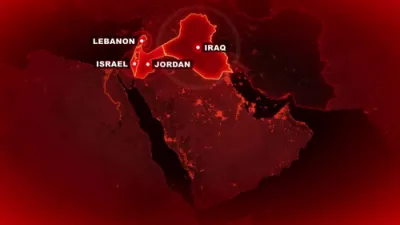
The analysis comes amid a clear uptick in Houthi operations that have already disrupted air travel and heightened fears of a wider war across the Middle East. Sanders pointed out that the attacks on a major civilian hub like King Khalid International Airport represent a significant step beyond earlier border skirmishes and place new demands on Saudi Arabia’s ability to protect its territory. With Iranian backing enabling the Houthis’ longer-range capabilities, the strikes raise the possibility that Riyadh will seek stronger American commitments to deter further assaults. Officials and observers watching the situation recognize that any direct US role in defending Saudi airspace or infrastructure would mark a major shift in the current posture. The expert’s comments reflect growing concern that the cycle of attacks and counteroperations risks spinning beyond the Yemen theater and into a larger confrontation. As the airport remains affected and tensions climb, the question of American involvement hangs over the region’s next moves.