SCHUMER DEMANDS ANSWERS ON U.S. OUTAGES: Warns Democrats Will Launch Their Own Investigation
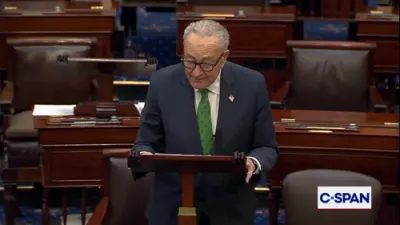
Senate Minority Leader Chuck Schumer is demanding that the Trump administration launch a comprehensive investigation into the wave of technology disruptions affecting critical systems across the United States. Speaking on the Senate floor on November 18, Schumer called on President Donald Trump and Director of National Intelligence Jay Clayton to establish a dedicated team of intelligence professionals to determine whether the incidents are connected or point to a broader security threat. The outages have affected air traffic operations, major banking services, technology platforms and even the National Security Agency’s classified network. Schumer argued that Americans deserve clear answers rather than assurances that the disruptions are simply routine technical problems. He urged the administration to investigate alternative explanations and deliver its findings to Congress by December 1. Issuing a warning to the White House, Schumer declared, “If Trump doesn't want to uncover the answers, Democrats will find them ourselves in the next Congress.”
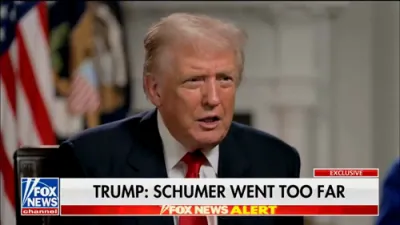
The Democratic leader also criticized Trump's public response to the outages, questioning the administration's handling of incidents that disrupted services used by millions of Americans. His demand comes as intelligence and administration officials have repeatedly said they have found no evidence of a coordinated cyberattack or state-sponsored operation. Homeland Security Secretary Markwayne Mullin has attributed several disruptions to technical problems involving aging systems, software bugs and infrastructure upgrades, while other incidents have had separate explanations. Schumer, however, argues that the close timing of multiple failures warrants an independent intelligence-led review rather than simply accepting that they are unrelated. He specifically proposed a dedicated “red team” to challenge existing assumptions and examine whether a broader threat may have been overlooked. The dispute has intensified scrutiny of the government's response and raised questions about how effectively the United States can protect its increasingly interconnected critical infrastructure.