SENATE GOP'S FINAL SPRINT: Thune Vows to Accelerate Trump Judicial Confirmations Before Democrats Take Senate Control
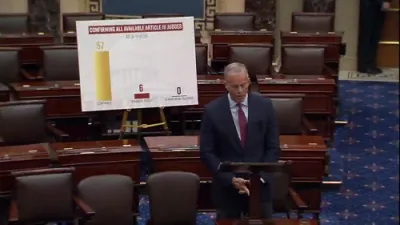
Senate Majority Leader John Thune is signaling an aggressive final push to confirm President Donald Trump’s judicial nominees before Republicans surrender control of the chamber in January. In remarks delivered on the Senate floor November 16, Thune highlighted the Republican majority’s confirmation record and promised to keep moving nominees through the process during its remaining weeks. “We’ve just done a lot of work,” Thune declared, pointing to the extensive activity in Senate committees and the numerous floor votes held to advance the administration’s nominees. He said Republicans had confirmed 57 federal judges during the current Congress, with six additional nominees already scheduled for upcoming votes. Thune also emphasized that every judicial nominee who had completed the Judiciary Committee process and been reported to the floor had a vote scheduled. “There’s time left on the clock for this Republican majority, and we intend to use it,” he said, making clear that judicial confirmations remain a major priority before the transition of Senate control.
Thune’s remarks come after Republicans lost their Senate majority in the November midterm elections, with Democrats set to take control when the new Congress convenes in January. The change in leadership is expected to make the confirmation process more difficult for Trump’s remaining judicial nominees, as Democrats will gain greater influence over which candidates receive consideration and floor votes. Thune said the administration and Senate Judiciary Committee still have opportunities to move additional nominees forward before the end of the year, while also promising confirmation votes on more than 100 other presidential nominees. The accelerated schedule has drawn criticism from Democratic lawmakers, including Senator Dick Durbin, who argues that Republicans are moving too quickly on lifetime judicial appointments and reducing the time available for scrutiny. Republicans, meanwhile, say they are using their remaining majority to process nominees and fill positions before the political balance changes. With the January transition approaching, the coming weeks could prove consequential for the federal judiciary and the long-term impact of Trump’s judicial appointments.