BESSENT DEMANDS ANSWERS FROM NVIDIA: Treasury Secretary Says Huang's Departure Does Not End Corporate Accountability
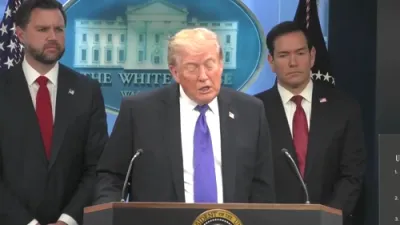
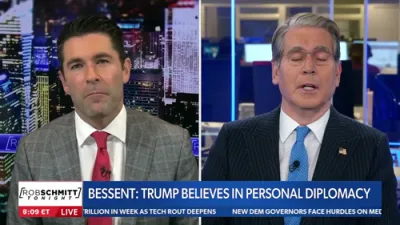
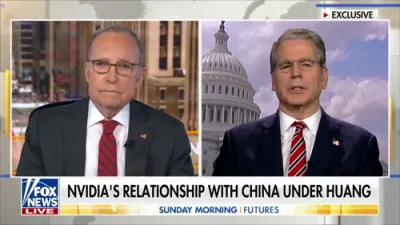
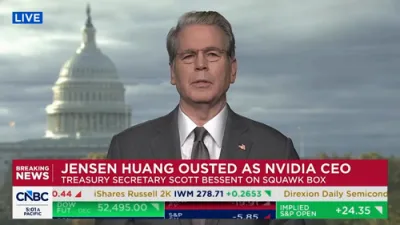
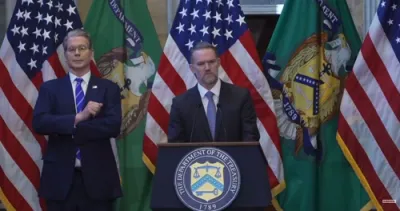
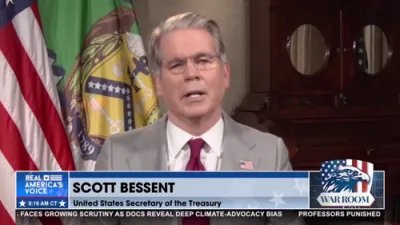
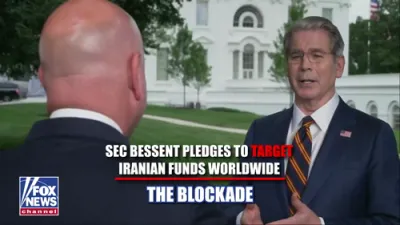
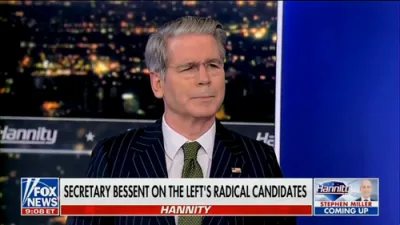
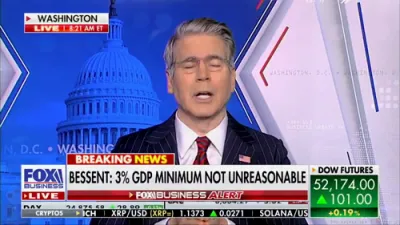
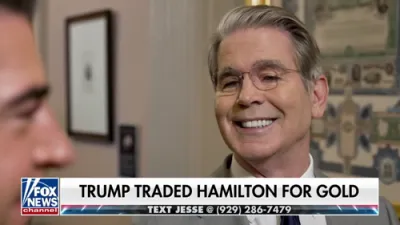
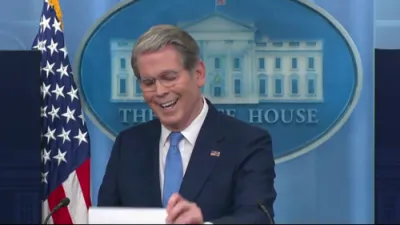
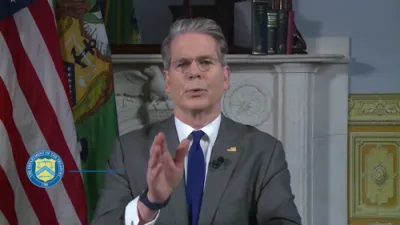
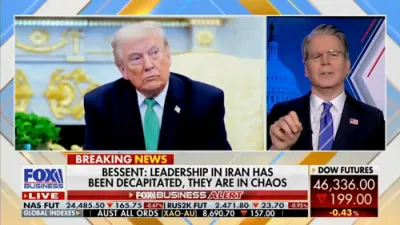
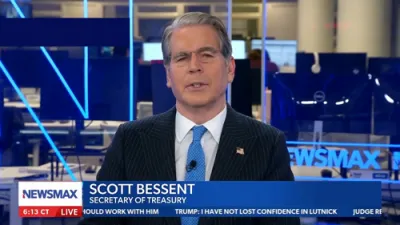
Treasury Secretary Scott Bessent is making clear that Jensen Huang's departure from Nvidia does not end the company's responsibility to answer serious questions about its internal oversight and possible violations of US export restrictions. Bessent previously called for Nvidia to look outside the company for its next chief executive, arguing that the circumstances surrounding Huang's resignation demanded a major leadership shake-up. In his latest remarks, Bessent emphasized that investigators must determine how far knowledge of the alleged misconduct extended within the company, questioning whether warning signs were missed by lower-level employees, middle management or senior executives. "We will see which level of the business knew about this," he said, stressing that the investigation must establish who knew what and when. His comments come amid scrutiny of reports that restricted Nvidia chips may have been diverted to China through third-party networks, raising national security and corporate compliance concerns. Bessent's position contrasts with President Donald Trump's public call for Nvidia to give Huang another chance, with the president describing the technology executive as one of America's most brilliant minds.
Nvidia's board has unanimously accepted Huang's resignation and announced that it does not intend to reinstate him, despite his willingness to return and Trump's public support. Chief Financial Officer Colette Kress is serving as interim CEO while the company considers its leadership transition. The board has also established an independent committee, supported by outside legal counsel, to investigate reports that Huang was targeted by a foreign intelligence operation and examine whether any company information or national security interests were compromised. Meanwhile, the allegations involving a woman identified in media reports as Alice Huang, who is not related to Jensen Huang, remain unproven, and Bessent has questioned whether the former CEO even knew she was allegedly connected to Chinese intelligence. Nvidia's board has said it currently has no reason to believe national security or company secrets were compromised, but pledged to examine the available information. The dispute now extends beyond Huang's future, placing Nvidia's corporate governance, export-control compliance and responsibility for protecting America's advanced semiconductor technology under growing scrutiny.