GAME CHANGER: Israel's Iron Beam Laser Downs Drones for Just Dollars Per Shot
New video footage circulating online appears to show Israel’s Iron Beam laser system successfully intercepting Hezbollah drones during ongoing hostilities. The clip features clear targeting overlays, bright energy bursts at the moment of impact, and official Rafael and IDF logos overlaid on the imagery. Viewers can see the laser engaging the aerial threats with rapid, precise flashes that neutralize the drones mid-flight. The release of such visual evidence marks a public demonstration of a system that has moved from testing into operational use. The footage has drawn widespread attention for its clear depiction of directed-energy technology in real combat conditions.
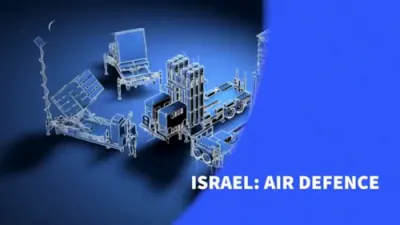
Iron Beam is a high-energy laser air defense system developed by Rafael and has been operational since late 2025. It is specifically designed to intercept short-range threats such as drones and rockets at a fraction of the cost of traditional interceptors, with each shot estimated at only a few dollars. This low cost stands in sharp contrast to the expensive kinetic interceptors used by systems like Iron Dome. By adding a laser layer, Israel aims to handle the large volumes of cheap drones and projectiles that have characterized recent conflicts. The system is intended to work alongside existing defenses rather than replace them.
Earlier laser prototypes and variants reportedly succeeded in downing around 40 Hezbollah unmanned aerial vehicles during fighting in 2024. Those earlier engagements provided valuable operational data that helped refine the full Iron Beam configuration now in service. The transition from experimental use to a more integrated role reflects steady progress in directed-energy technology under real battlefield pressure. Full incorporation of Iron Beam into Israel’s multi-layered air defense network continues to advance as regional tensions persist. Despite the progress, the number of operational units remains limited for the time being.
The video’s targeting graphics and impact flashes offer a rare public look at how the laser acquires, tracks, and destroys its targets. Bright energy bursts visible on screen confirm successful engagements and give a sense of the system’s speed and precision. Official logos from Rafael and the IDF lend credibility to the footage and signal that the military is willing to showcase the capability. Such releases often serve both to inform the public and to signal technological readiness to adversaries. The combination of visual evidence and official branding has amplified interest in the system’s performance.
As Iron Beam takes on a greater role, questions arise about how quickly deployment can expand and how effectively the laser will scale against mass drone attacks. Its low per-shot cost offers a significant advantage in prolonged campaigns where ammunition expenses can mount rapidly. At the same time, factors such as weather, range limitations, and the need for clear lines of sight continue to shape its operational use. The system’s integration alongside Iron Dome and other layers creates a more flexible and economical defensive architecture. Continued combat experience will determine how large a share of the threat Iron Beam ultimately handles.
The appearance of this footage underscores the rapid evolution of air defense technology in the current conflict environment. What was once experimental has become an active tool for protecting Israeli airspace from low-cost aerial threats. For observers, the video raises further interest in the balance between laser and kinetic interceptors and in the future expansion of directed-energy systems. As more details emerge, Iron Beam is likely to remain a focal point of discussion about the changing economics and tactics of modern air defense. The bright flashes captured on camera may represent only the beginning of its operational story.