UNDER THE CEASEFIRE'S NOSE: Israel Strikes Hamas Arms Stockpiles in Gaza
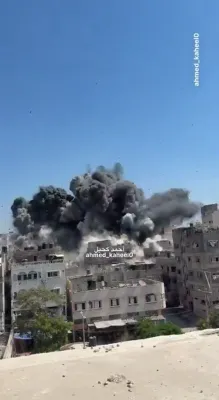
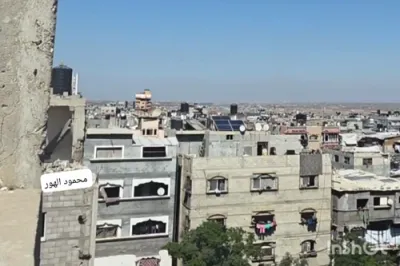
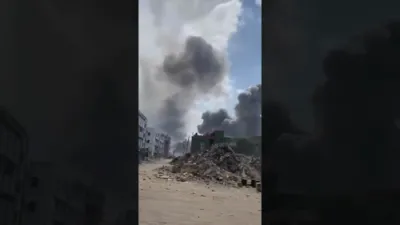
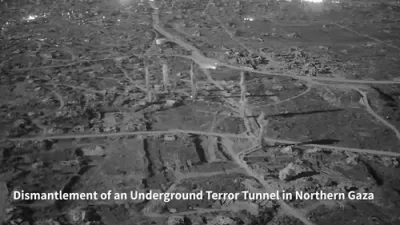
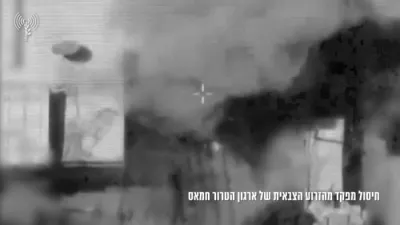
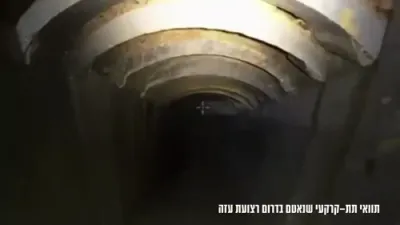
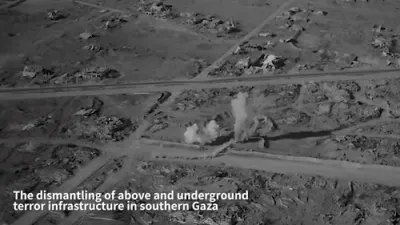
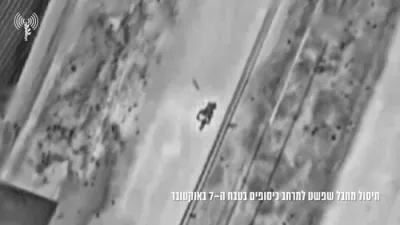
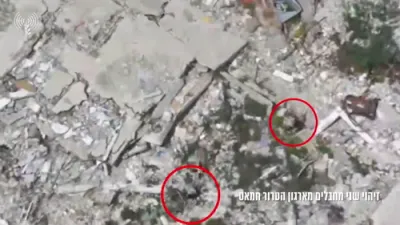
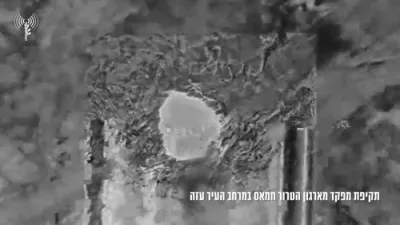
The Israeli military and the Shin Bet security agency struck and destroyed three weapons storage facilities belonging to Hamas and Palestinian Islamic Jihad in the Gaza Strip on Tuesday, along with a rocket launch pit that had been used to fire projectiles into Israeli territory throughout the war. The joint operation, announced publicly by the IDF on Wednesday, targeted multiple locations across Gaza in precise strikes. According to the IDF and Shin Bet's joint statement, the facilities held dozens of different types of weapons, including rockets, Kalashnikov assault rifles, and other combat equipment. Video released alongside the announcement shows aerial surveillance footage followed by strikes that produced large smoke plumes and explosions rising from the targeted structures. Israeli officials said the population in the area had been warned ahead of the strikes in an effort to reduce risk to civilians nearby.
The justification behind the strikes centers on what Israeli intelligence describes as an active effort by Hamas to rebuild its military capabilities despite the ongoing ceasefire. A senior Israeli security source told local media that Hamas operatives have recently been returning to weapons depots and using the stored arms to carry out surveillance duties and reassert control over parts of the Gaza Strip. The IDF has framed this pattern as a direct and repeated violation of the ceasefire and disarmament agreement currently in place, arguing that Hamas is using this quieter period to reconstitute stockpiles and reestablish an operational presence rather than moving toward genuine demobilization. An IDF spokesperson stated plainly that the military will continue acting decisively to degrade the capabilities of terrorist organizations in Gaza and to thwart any attempt to rebuild combat resources intended to threaten Israeli forces.
This latest round of strikes fits into a much broader and ongoing pattern of enforcement actions since the ceasefire took effect. Israeli sources have documented roughly 29 separate strikes and reported ceasefire violations between just August 19 and September 3 alone, ranging from strikes on individual Hamas commanders to broader operations against weapons production sites and storage facilities. Many of the individuals targeted in these operations have been described by the IDF as playing roles in weapons trade, supply networks, or direct efforts to restore Hamas's organizational capabilities. This steady drumbeat of strikes underscores just how fragile the current ceasefire arrangement remains, with both enforcement actions and alleged violations occurring on a near-continuous basis rather than settling into a clear, stable pause in hostilities.
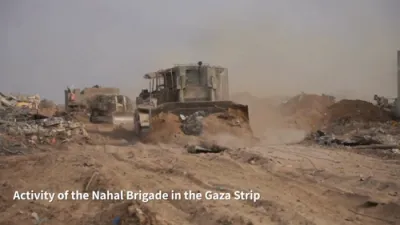
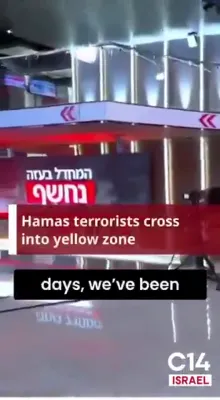
Israeli forces continue to operate under a broader framework tied to what's known as the Yellow Line, a demarcation running through Gaza with IDF troops holding roughly 54 percent of the territory to its east. Under the terms of the ceasefire agreement, Southern Command forces remain deployed along and behind that line, tasked with removing what the military describes as any immediate threat to its troops or Israeli civilians. Israeli officials have consistently framed these operations as targeted and defensive rather than an abandonment of the ceasefire itself, even as the frequency of strikes raises real questions about how durable the current arrangement actually is. With Hamas reportedly continuing efforts to reclaim weapons and reassert territorial control, and Israel signaling no intention to ease its enforcement posture, this pattern of strikes and counter-accusations appears likely to persist as a defining feature of the ceasefire's fragile early phase.