DESERT ADVANCE: Saudi-Backed Forces Reach Al-Jawf Outskirts Near Marib
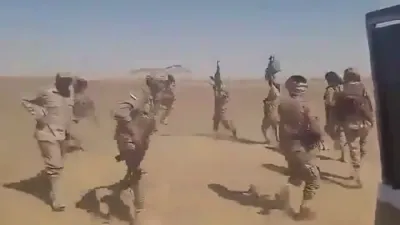
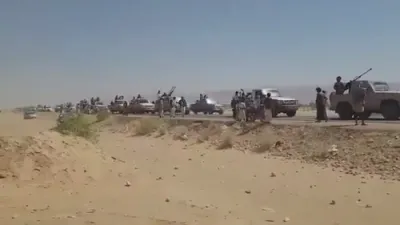
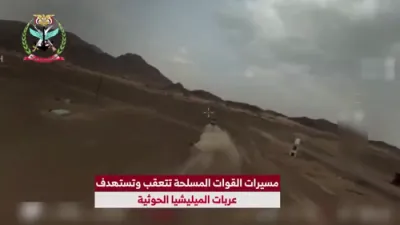
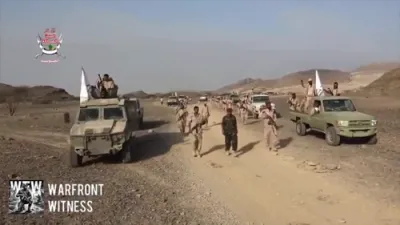
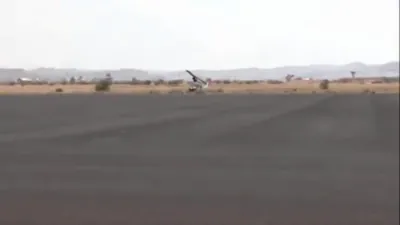
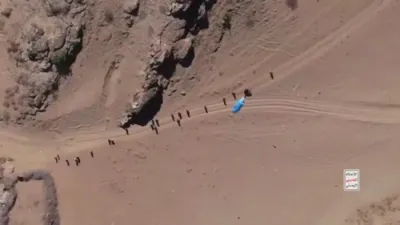
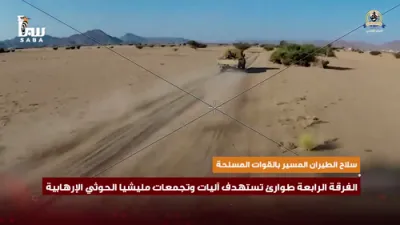
Saudi-backed Yemeni government forces have advanced to the outskirts of Al-Jawf province, south of the strategic city of Marib. The push is being supported by extensive air operations that have targeted Houthi positions and supply routes. Battlefield reports describe government troops and allied tribal fighters moving across desert terrain and securing new ground in recent days. Video footage from the area shows armed fighters advancing over sandy hills and plains near ruined structures typical of Yemen’s northern provinces.
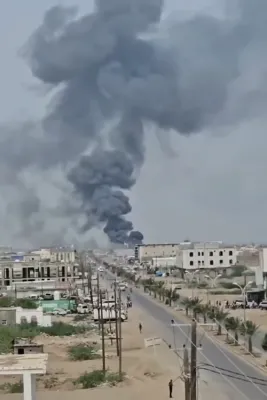
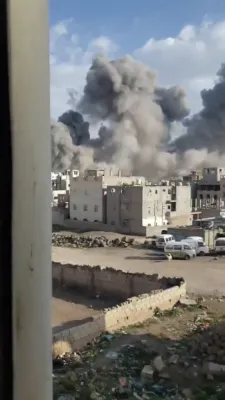
Government sources report gains in locations such as Al-Yatmah and along approaches toward Al-Hazm, the provincial capital. Units have claimed control of key points including camps and markets that strengthen their position for further movement. Air strikes and artillery have been used to soften Houthi defenses and disrupt reinforcements arriving from other fronts. Military spokesmen have portrayed the operation as part of a broader effort to pressure Houthi-held territory and open pathways toward more significant objectives.
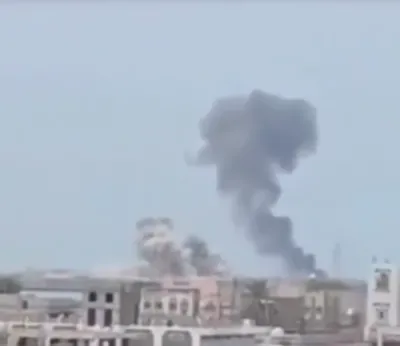
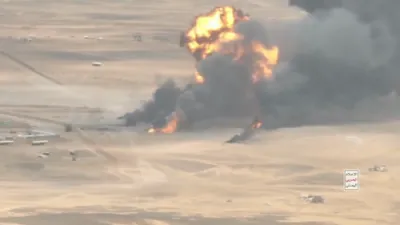
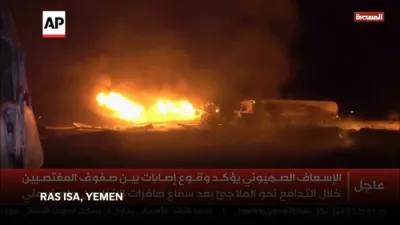
Houthi forces have responded with their own claims of success. They report striking Saudi-backed troop concentrations east of Al-Jawf, destroying vehicles and inflicting casualties. Houthi media has released footage purporting to show the results of those counterattacks. Both sides continue to issue conflicting accounts of control over specific positions, a common feature of the fluid desert fighting in this region. Independent verification remains difficult amid the remote terrain and restricted access.
The Al-Jawf front has gained importance because of its location relative to Marib and the routes that connect northern Yemen. Control of desert approaches can influence supply lines and the ability to mass forces for larger operations. Saudi air support has played a visible role in recent government advances, consistent with the long-standing pattern of coalition backing for Yemeni government and allied units. The current fighting forms part of a wider set of clashes that have also involved fronts in Taiz, Al-Bayda and other areas.
Civilians in the affected districts face displacement and risk as the front lines shift. Local reports speak of families moving away from active combat zones while basic services remain strained. The humanitarian situation in Yemen continues to be severe after years of conflict, and renewed offensives add further pressure on already vulnerable populations. Aid access is often limited when fighting intensifies in remote provinces.
The advance toward Al-Jawf reflects the Yemeni government’s attempt to regain initiative after periods of Houthi pressure. Whether the gains can be consolidated and expanded will depend on sustained logistics, air support and the ability to hold newly taken ground against counterattacks. For now, the desert outskirts of Al-Jawf have become another active sector in a war that shows little sign of lasting quiet.