DRONES LEAVE THE SKY: Israeli Rooster Robot Rolls, Flies And Redefines Drones
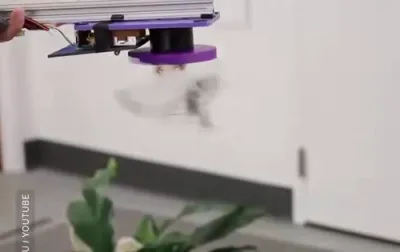
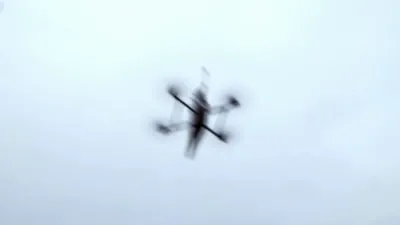
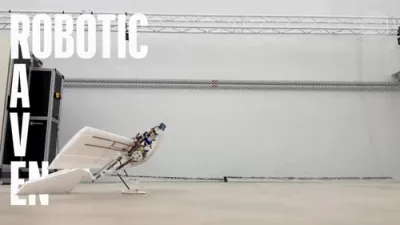
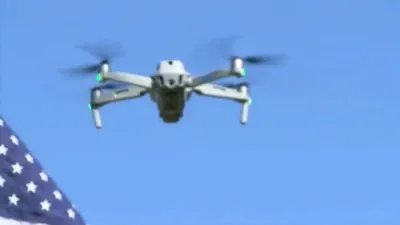
Here is a wild question that is suddenly getting harder to dodge: are drones still just drones? Israeli company Robotican’s ROOSTER is a perfect example, because it is built to fly, land, roll across the ground through tight spaces and then lift off again when something blocks the way. It sits inside a protective cage that lets it roll along floors and tunnels, while rotors kick in to carry it over stairs, furniture or other obstacles. Rolling saves precious battery power, since reports say it can roll for far longer than it can stay in the air, and it is designed for buildings, tunnels and places where GPS does not work. The machine is small, weighing roughly 1.5 kilograms, and it usually works as a team of three linked to one control station.
The bigger story is that this kind of design is spreading, with autonomous platforms increasingly defined less by one way of moving and more by how well they adapt to the environment around them. Robotican says the ROOSTER has been used operationally by the Israel Defense Forces and the US Drug Enforcement Administration, and it has also delivered dozens of units to European special operations and intervention teams, with the system earning a NATO stock number. There is a serious side to the story too, because the company has also unveiled an armed version, which is why the rise of hybrid machines is raising fresh questions about how such tools should be used and regulated. At some point, calling them simply “drones” may stop making sense, a bit like how our phones are not really just phones anymore. The real question is what we will call them when flying is only one of the tricks they can do.