TWO-MONTH SILENCE SHATTERED: Kīlauea Roars Back With Lava Taller Than Recent Eruptions
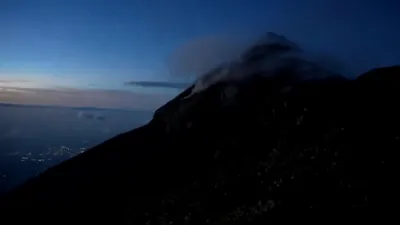
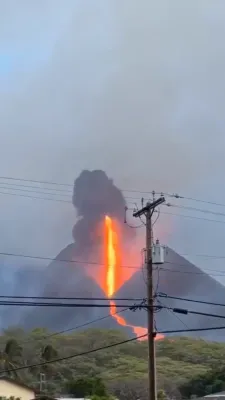
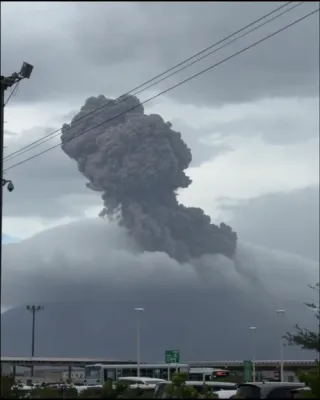
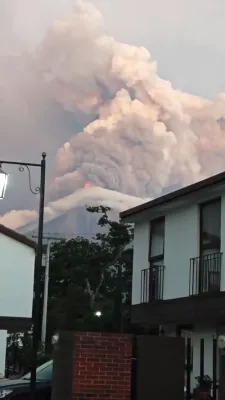
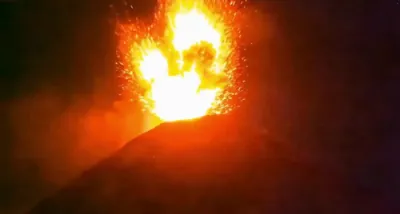
Hawaii’s Kīlauea just put on one of its most jaw-dropping shows in months, blasting a glowing wall of molten lava about 720 feet into the pre-dawn sky on Saturday, October 17, 2026. Episode 55 of the summit eruption began at 3:19 a.m. local time inside Halemaʻumaʻu crater, and the north vent was roaring at full power by around 5 a.m., with the fountain shaped so dramatically that social media viewers compared it to a giant pair of fiery wings. Lava streamed down the cone built up around the vent while a towering plume of gas and ash climbed to roughly 25,000 feet above sea level. The fountain was taller than the roughly 500-foot peaks reached in the last four episodes, according to the Hawaiian Volcano Observatory. Then, at 9:03 a.m., it stopped abruptly, ending a spectacle that lasted just under six hours.
The show came after the longest and most complicated pause since this eruption began on December 23, 2024, with nearly two months passing since episode 54 on August 25, plus earthquake swarms and a shallow magma intrusion in late September and early October. Scientists say all lava and vents stayed inside Halemaʻumaʻu crater within Hawaiʻi Volcanoes National Park, and Kīlauea is now at Volcano Alert Level ADVISORY with Aviation Color Code YELLOW. Winds pushed volcanic gas, ash and fine glassy strands known as Pele’s hair toward the south-southwest, and the heaviest fallout is expected within about three miles of the vents, though lighter material can travel much farther. That makes air quality, not lava, the main concern for nearby communities. The big question now is when the next episode will arrive, because irregular ground-swelling patterns mean forecasters cannot predict it for now.