TRUMP'S CANDID FORGIVENESS ANSWER: President Admits He May Never Forgive Some Political Enemies
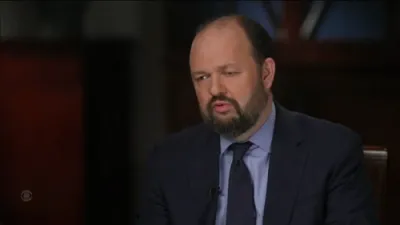
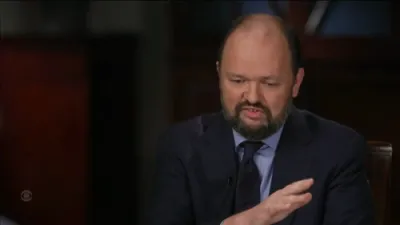
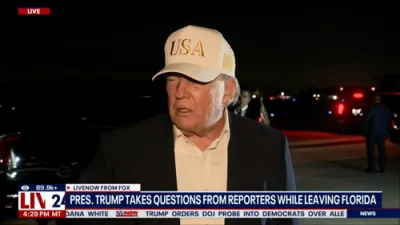
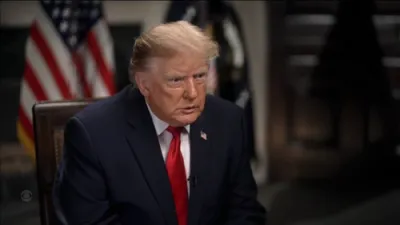
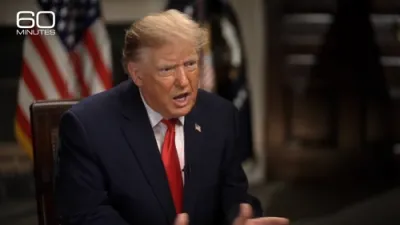
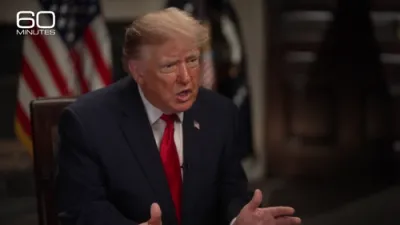
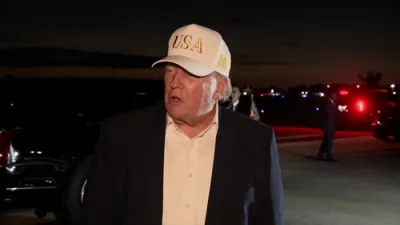
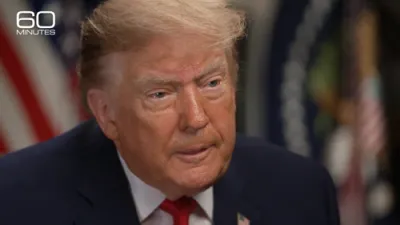
President Donald Trump faced an unusually personal question about faith, forgiveness, and his political opponents during a wide-ranging interview with CBS's 60 Minutes that aired on November 8, 2026. Correspondent Ross Douthat asked whether Trump could forgive figures such as former FBI Director James Comey and former House Speaker Nancy Pelosi if doing so were necessary to enter paradise after death. Trump, who described himself as a religious person and said he hoped to go to heaven, initially questioned whether claiming he could forgive them would be an honest answer. He characterized some of his political opponents as dishonest and harmful to the country, adding that he placed his love for the United States above his feelings toward them. When Douthat pressed him about forgiveness before the judgment of God, Trump answered directly that he did not believe he could offer that forgiveness. The exchange became particularly striking when the president acknowledged, “I do hate some of my enemies, and I always will.”
Douthat then challenged Trump to consider whether the remarkable opportunities and experiences of his life should make it easier to forgive those he considers adversaries. Rather than soften his response, Trump said he could simply give an affirmative answer but that doing so would not reflect what he genuinely felt. He connected his resentment to what he described as years of political and legal battles, including investigations and two impeachments during his presidency. The conversation offered a rare glimpse into how Trump discusses his personal beliefs about mortality and forgiveness when questioned beyond the usual subjects of policy and politics. His comments also revived a broader discussion about the relationship between Christian teachings on forgiveness and the public conduct of political leaders. The interview did not resolve that tension, but it placed the question directly before viewers: how should personal convictions about forgiveness be reconciled with the demands of faith and public life?