IRAN'S CHEMICAL WEAPONS AMBITIONS UNDER SCRUTINY: Analyst Says IRGC Research Does Not Mean Deployment Is Imminent
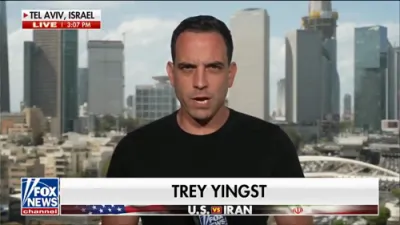
Iran's alleged pursuit of chemical weapons is drawing renewed attention after Israeli intelligence warnings, but regional analyst Danny Citrinowicz cautions against confusing research with an operational weapons capability. During an interview on On The Record, Citrinowicz said the Islamic Revolutionary Guard Corps (IRGC) is examining chemical weapons options, while emphasizing that developing a deployable arsenal is a far more complicated process. "It’s not that simple. It’s not imminent," he explained, noting the substantial technical gap between studying chemical agents and building a system capable of delivering them effectively. His assessment comes after Israeli Defense Minister Israel Katz publicly accused Iran of developing chemical weapons and said Israel would not allow Tehran to acquire that capability. Katz has not disclosed the full intelligence behind the allegation or how advanced the suspected program is. Iran, meanwhile, has rejected accusations that it is pursuing an offensive chemical weapons program.
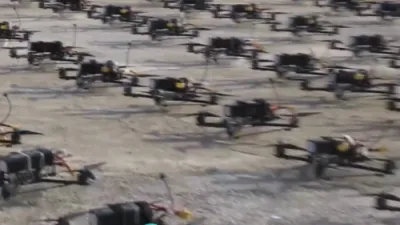
The concerns are not entirely new, however, with U.S. government assessments and independent research previously examining Iranian military-linked institutions and their work involving pharmaceutical-based agents. A 2023 U.S. State Department report described research at facilities associated with Iran's military, including studies involving fentanyl and medetomidine, and raised concerns about potential weapons applications. A separate 2024 analysis by the Institute for Science and International Security examined research linked to IRGC-affiliated individuals and the possibility of delivering incapacitating agents through drones and other systems. Such findings have intensified scrutiny of Iran's activities, but research into potentially harmful substances does not by itself establish that Tehran has assembled an operational chemical weapons arsenal or is preparing to deploy one. Citrinowicz's warning highlights the distinction between a potential long-term threat and an immediate military danger. For now, the precise scope of Iran's alleged activities and the stage of any suspected weaponization effort remain unclear to the public.