IRANIAN DRONE ATTACK HITS KUWAIT: Four Injured as Trump Weighs Next Steps in Conflict With Tehran
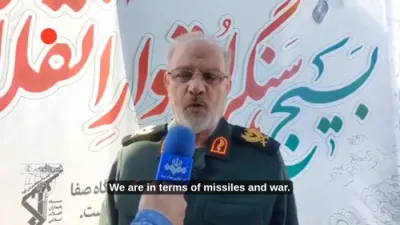
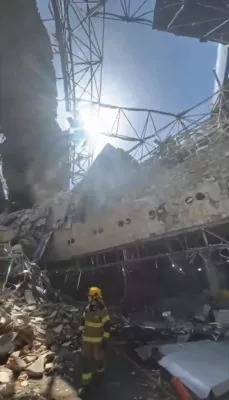
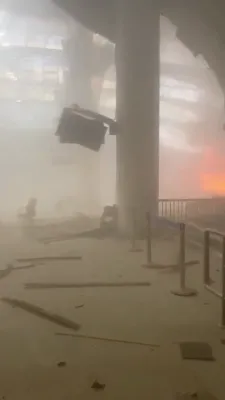
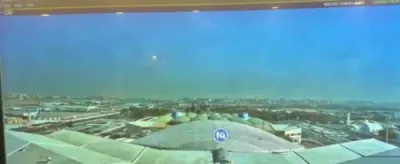
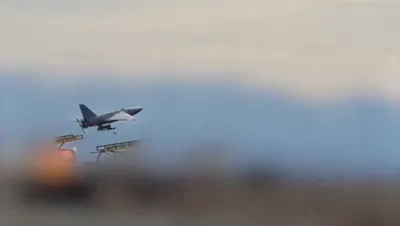
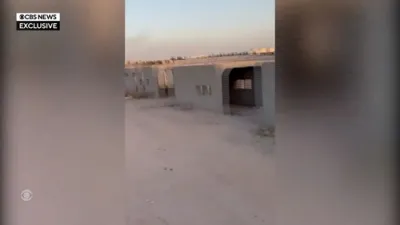
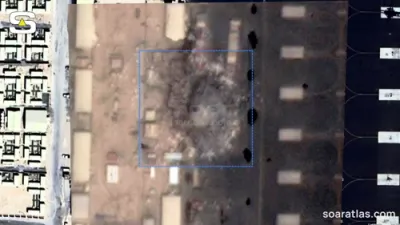
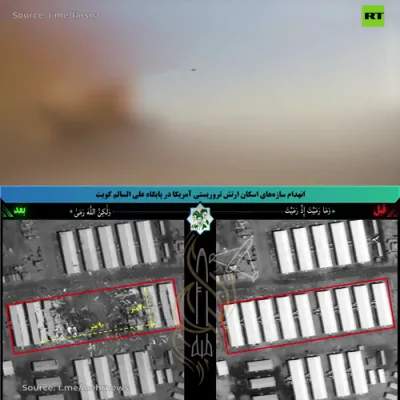
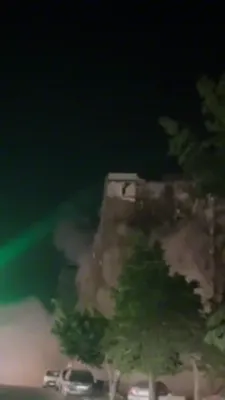
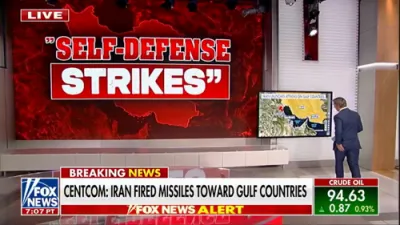
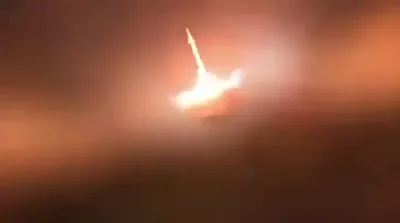
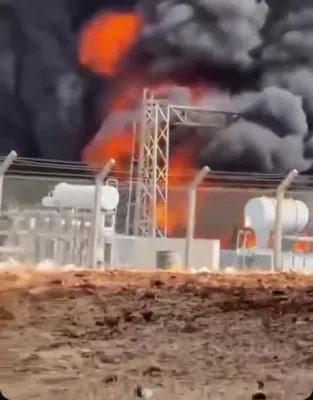
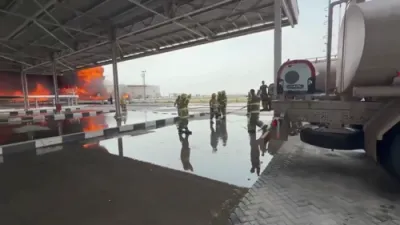
Iran has launched another drone attack against Kuwait, escalating regional tensions as the United States continues its military standoff with Tehran. Kuwait's Defense Ministry said Iranian drones targeted a vital facility on November 26, with falling debris injuring four people and causing material damage. The incident was more serious than an initial injury report suggested: Italy's Foreign Minister Antonio Tajani confirmed that two Italian technicians working for defense contractor Rheinmetall Italia were killed in the attack, while Kuwait also reported injuries to a Kuwaiti army captain and a Pakistani national. Kuwaiti forces said they detected and intercepted several drones in the country's airspace, although debris from the interceptions caused damage and casualties. The attack comes amid continuing disputes over the Strait of Hormuz, where Iran has sought to restrict shipping while U.S. forces maintain pressure on Iranian ports and military capabilities. The latest incident underscores how the conflict continues to threaten neighboring countries and international personnel even during periods of reduced large-scale fighting.
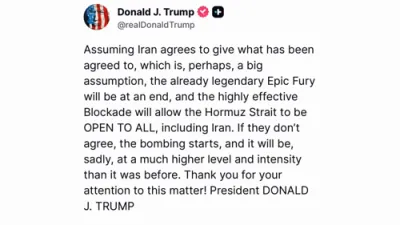
President Donald Trump, meanwhile, has indicated that major decisions on the next phase of the Iran conflict could be delayed until after January 1, 2027, as his administration weighs its military and diplomatic options. In a recent interview, Trump said the United States had achieved significant military objectives but warned that Iran could still face further action if necessary. Reports have described possible renewed U.S. and Israeli strikes, although Trump has not announced a decision to launch a new campaign in early 2027. The president has also argued that Iran's military capabilities have been severely weakened, while U.S. officials continue monitoring threats to American forces, regional allies and commercial shipping. Despite claims that Tehran has lost much of its leverage over the Strait of Hormuz, maritime security remains unsettled and oil markets continue to face risks from disruptions in the Gulf. The latest attack on Kuwait adds another complication as Washington considers whether continued pressure, renewed negotiations or further military action will shape the next stage of the confrontation.