NUMBERS GAME: Gorka Touts 168 Jihadis Killed, 110 Hostages Freed Under Trump Leadership
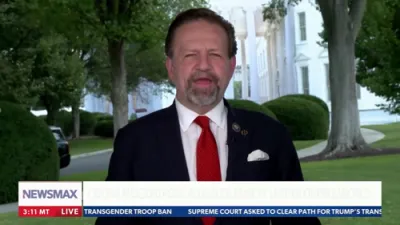
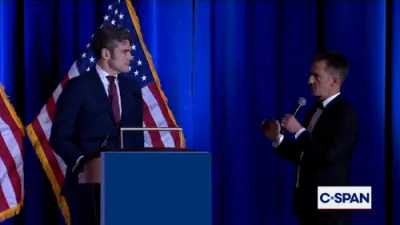
White House counterterrorism official Sebastian Gorka delivered an emphatic defense of President Trump's leadership during a recent Newsmax appearance, framing the president's record on trade, terrorism, and hostage recovery as proof of his effectiveness. "Whether it's the tariffs, whether it's the 168 jihadis killed in 18 months, or whether it's the 110 hostages liberated in 18 months, President Trump is the very exemplar of leadership," Gorka said. The remarks came during a split-screen interview in which Gorka pushed back directly against criticism from Senator Chris Coons, positioning himself as a defender of the administration's global standing. His comments reflect a broader pattern in which Gorka has regularly used television appearances to spotlight counterterrorism statistics as evidence of the administration's success.
The specific figures Gorka cited, 168 jihadis killed and 110 hostages freed over an 18-month span, fit into a series of numbers he has presented publicly over the past year, though those figures have shifted noticeably from appearance to appearance. In past interviews, Gorka has cited jihadi death tolls ranging from the hundreds into the high hundreds, along with hostage recovery numbers that have climbed steadily as more individuals were freed. Independent reporting has raised questions about the consistency of these statistics, noting that the White House has not always provided clarification when asked to verify specific totals. Regardless of the exact numbers, the broader message from Gorka and the administration has remained consistent: counterterrorism operations and hostage negotiations are being highlighted as signature achievements of Trump's second term.
Gorka's appearance also served as a platform to counter criticism from lawmakers like Coons, who have raised concerns about the administration's foreign policy approach and its broader implications. Rather than directly rebutting specific policy critiques, Gorka leaned into a strategy of citing tangible outcomes, tariffs, body counts, and freed hostages, as evidence that skepticism toward the administration is misplaced. This approach has become a hallmark of how Trump officials have responded to pushback throughout 2026, often shifting the conversation toward statistics rather than engaging with underlying policy debates. The tactic underscores how central the "America First" security narrative has become to the administration's public messaging strategy.
Taken together, the interview illustrates how deeply intertwined security achievements and political messaging have become for the Trump administration heading into the latter half of 2026. Whether the specific numbers hold up to scrutiny remains a point of contention among journalists and independent fact-checkers, but the political utility of the claims is clear. For supporters, statistics like these are presented as concrete proof of strength and competence. For critics, the shifting figures and lack of detailed verification raise questions about how these numbers are calculated and whether they tell the full story of the administration's counterterrorism and hostage recovery efforts.