STRAIT OF HORMUZ THREAT: CENTCOM Obliterates Iranian Mine-Laying and Maritime Targets in Retaliatory Strikes
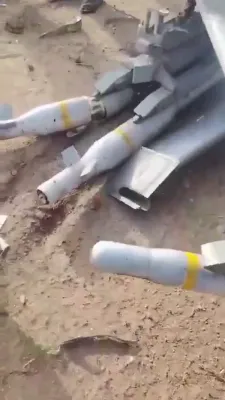
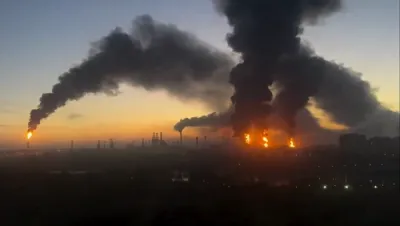
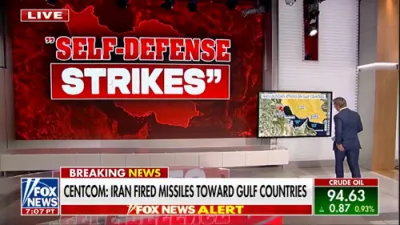
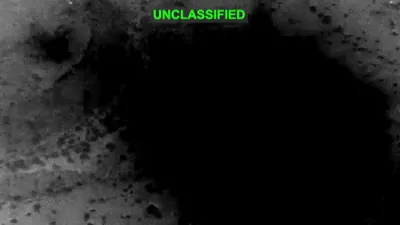
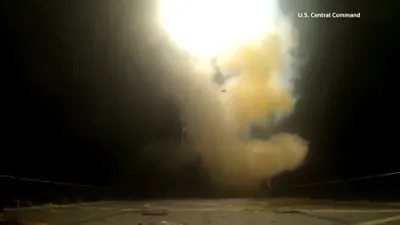
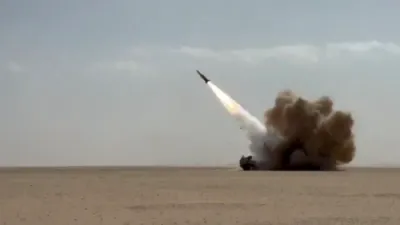
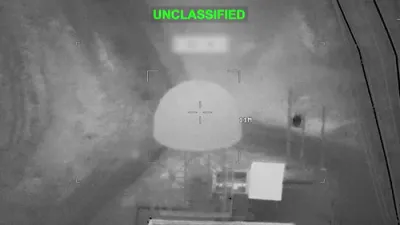
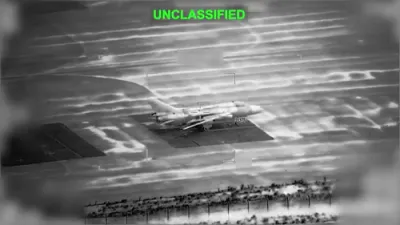
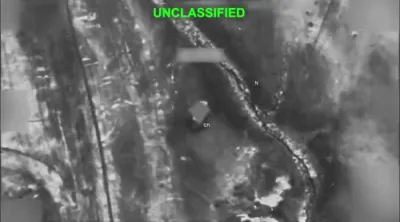
US Central Command confirmed that American forces have completed a fresh round of airstrikes against multiple Iranian military targets. The operation focused on air defense sites, radar systems, maritime assets and facilities, mine-laying capabilities, and communications sites. Officials stated the strikes came in direct response to recent attempted attacks by Iran’s Islamic Revolutionary Guard Corps against commercial shipping in the Strait of Hormuz and against American service members. The precise targeting of these systems aims to degrade Iran’s ability to threaten both commercial vessels and US personnel in the region. Thick smoke and secondary explosions were reported at several of the hit locations, according to initial military assessments.
The decision to strike followed a series of provocative moves by the IRGC that raised serious concerns about freedom of navigation and the safety of American troops. Commercial ships transiting the vital Strait of Hormuz had faced attempted interference, while US forces themselves came under threat. By hitting radar and air defense networks, American planners sought to reduce Iran’s ability to detect and respond to future operations. Maritime facilities and mine-laying assets were also prioritized because of their direct link to potential disruptions of global energy shipping lanes. Communications sites were targeted to hinder coordination among Iranian units operating in the area.
Military sources described the strikes as carefully calibrated to avoid unnecessary escalation while still delivering a clear message. Precision munitions were used against the selected targets to limit collateral damage and focus damage on military infrastructure. The inclusion of mine-laying capabilities on the target list underscores ongoing worries that Iran could attempt to close or heavily restrict the Strait of Hormuz. Radar and air defense systems represent the backbone of Iran’s ability to monitor and contest airspace over the Persian Gulf and surrounding waters. Removing or degrading these assets temporarily shifts the balance in favor of US and allied forces operating nearby.
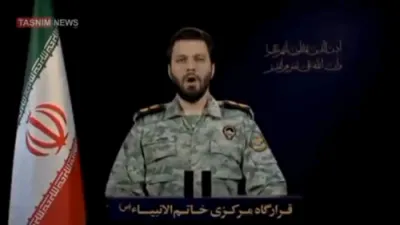
Reactions in the region were swift as news of the strikes spread. Shipping companies and insurers began reassessing risk levels for vessels still moving through the Strait of Hormuz. American officials emphasized that the operation was defensive in nature and tied directly to the IRGC’s recent actions rather than an unprovoked offensive campaign. Iranian state media has not yet issued a detailed response, though past patterns suggest strong condemnation and possible threats of further retaliation. The strikes add another layer of tension to an already volatile security environment involving Iran, the United States, and commercial traffic in one of the world’s most important waterways.
Analysts note that the selection of targets reveals a deliberate effort to blunt Iran’s anti-access and area-denial capabilities. Air defense and radar sites form the first line of detection and interception, while maritime and mine assets pose longer-term threats to shipping. Communications nodes enable command and control across dispersed Iranian units, so disrupting them complicates any coordinated response. The fact that the strikes followed attempted attacks on both commercial vessels and American personnel gives the operation a dual justification in the eyes of US commanders. Whether the damage proves temporary or longer-lasting will depend on Iran’s ability to repair or replace the hit systems in the coming weeks.
As the situation develops, attention will turn to whether Iran chooses to absorb the blows or escalate further through proxies or direct action. The Strait of Hormuz remains a critical chokepoint for global oil supplies, and any sustained disruption would send immediate shockwaves through energy markets. American forces remain on elevated alert in the region, prepared for possible follow-on threats. The CENTCOM statement makes clear that the United States is willing to use military force to protect both its service members and the principle of free navigation. For now, the smoke is still clearing over the targeted sites while diplomats and military planners on all sides weigh their next moves.