COMPLETELY SETTLED, SISI SAYS: Egypt's Leader Rejects Constitution Change And Fourth Term Talk
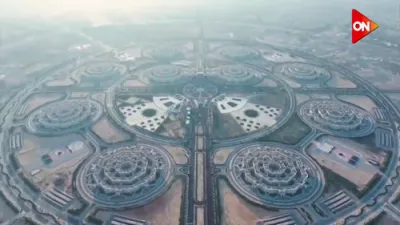
Egyptian President Abdel Fattah al-Sisi, 71, announced on Saturday, October 17, that his time in power will end in 2030, telling graduates and officials at the Egyptian Military Academy in the New Administrative Capital that the matter is “completely settled” and will not be discussed. He added the caveat “if God grants me life” and repeated that the constitution will not be touched. His remarks come after social media speculation that the constitution could be amended in 2027 to let him seek another term, and he also dismissed talk that he is grooming a relative to succeed him. Sisi has led Egypt since 2014 and was re-elected in December 2023 to a six-year term. Amendments approved in a 2019 referendum extended presidential terms from four years to six and kept a two-term limit, but with transitional provisions that let him run again, so staying in office past 2030 would require another constitutional change.
Sisi also unveiled a plan to train Egypt’s next generation of leaders, in which PhD holders from reputable Egyptian and foreign universities would spend 30 months at the military academy studying the state and its resources. He said graduates would be prepared for roles ranging from the presidency to ministries, governorates, and parliament, and that Egyptians would “elect and choose from among” them, though he gave no details on how candidates would be put forward. A committee overseen by the speaker of parliament, with intellectuals, politicians, and the ministers of higher education and justice, would set the selection criteria and draft the legislation. Sisi said he announced the plan more than 40 months before his term ends to head off speculation and political disputes over future leadership. Rights groups have long accused his government of restricting political opposition, civil society, and free speech, and some analysts note the plan puts the military at the center of the post-2030 transition.