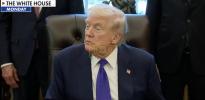
טראמפ טרעפט זיך מיט די קאלאמבישע פרעזידענט פעטרא

President Donald Trump will host Colombian President Gustavo Petro at the White House on February 3, 2026, for a private meeting focused on reducing drug trafficking and expanding economic ties between the United States and Colombia, signaling a pivotal moment in relations between the two neighboring democracies. The summit follows months of public tension, including Trump’s sharp criticism of Petro’s approach to narcotics enforcement and an exchange of incendiary rhetoric that at times threatened to undermine cooperation between the long‑standing partners in the war on drugs.
In accompanying video highlights from Fox News, Trump can be seen pressing for stronger Colombian cooperation in stemming the flow of illegal narcotics — particularly fentanyl and cocaine — into the United States, underscoring that halting these deadly drugs is a shared hemispheric security priority. Trump’s remarks emphasize that effective enforcement, intelligence sharing, and joint operations are essential to protecting American communities while reinforcing legal trade that benefits both countries.
The meeting represents both a strategic reset and a test of diplomatic skill, as the two leaders must navigate their differences after a highly volatile period in bilateral relations. Previously, Trump’s tough language toward Petro, including controversial insults linking Petro to the drug trade, highlighted deep ideological divides and raised questions about the future of U.S.–Colombia collaboration. Petro’s own criticisms of Trump’s broader regional policies — including operations in neighboring Venezuela — further strained ties.
Despite those challenges, recent diplomatic signals suggest an opening for cooperation. A constructive phone call between the presidents earlier in January laid the groundwork for more substantive engagement, and Colombia’s renewed willingness to work with U.S. agencies on deportation flights and narcotics intelligence has helped pave the way for this high‑level encounter. Both governments have framed the meeting as an opportunity to build on decades of security partnership that have historically made Colombia a central partner in counter‑drug efforts across the Western Hemisphere.
Alongside drug trafficking issues, Trump and Petro are expected to explore ways to expand bilateral trade, recognizing that stronger economic ties can create mutual prosperity and help undermine the illicit markets that fuel trafficking networks. U.S. officials see this as part of a broader strategy to strengthen economic resilience throughout the region while reinforcing rule‑of‑law institutions. The outcome of their discussions could shape future cooperation on shared challenges at a time when both leaders face political pressures at home and shifting dynamics in Latin America’s security landscape.
גאלערי
ווידעאס