פרעזידענט טראמפ האט אפגעווארפן איראן'ס קריגס-געפאר, דרינגט פאר א נוקלעארן אפמאך.
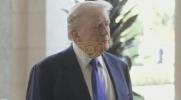
President Donald Trump brushed aside a warning from Iran’s Supreme Leader Ayatollah Ali Khamenei on February 1, 2026, responding with a mix of confidence, skepticism, and cautious optimism as tensions between Washington and Tehran continue to rise. When asked by a reporter about Khamenei’s claim that any U.S. attack would ignite a “regional war,” President Trump replied succinctly that he hoped a deal could still be reached, adding that if no agreement materialized, “we’ll find out whether or not he was right.”
The exchange reflected President Trump’s broader approach to Iran: prioritizing diplomacy backed by unmistakable strength. His response conveyed little concern for Tehran’s rhetoric, instead signaling that the United States remains prepared for any outcome. By framing Khamenei’s warning as something to be tested rather than feared, the president underscored his belief that American leverage, not Iranian threats, will shape the final outcome.
The comments come amid escalating U.S.–Iran tensions driven by multiple flashpoints. Iran’s regime has faced international condemnation for its violent suppression of domestic protests, while negotiations over its nuclear program have stalled with no clear progress. In response, the United States has increased its military presence in the region, deploying carrier strike groups to the Persian Gulf as a signal of deterrence and resolve rather than an invitation to conflict.
President Trump’s remarks also highlighted a familiar dynamic in his foreign policy: pairing openness to negotiation with a clear warning that the United States will not be intimidated. While he reiterated a preference for a deal, his tone suggested that failure to reach one would rest squarely on Tehran’s choices, not Washington’s reluctance.
For supporters, the moment reinforced President Trump’s reputation for confronting adversaries without theatrics or hesitation. Instead of amplifying Iran’s threats, he reduced them to posturing, emphasizing outcomes over rhetoric. As pressure mounts on Iran’s leadership both at home and abroad, the president’s response signaled that the United States remains firmly in control of the strategic balance, prepared to negotiate from strength while refusing to be boxed in by dire predictions from a hostile regime.
גאלערי
ווידעאס
