זשורנאליסט האט קאנפראנטירט באאמטע איבער קאמערא אראפנעמען נאך בראון אוניווערסיטעט שיסעריי.
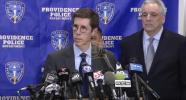
Tensions erupted during a December 17, 2025, press conference when a visibly angry journalist confronted Rhode Island officials over the removal of a surveillance camera that may have aided the investigation into the deadly Brown University shooting.
“The camera in the building that Brown pulled because sanctuary city law—can you imagine what families are going through?” the journalist demanded, referencing the December 13 attack that left two students dead and nine others injured.
The confrontation centered on allegations that Brown University removed a surveillance camera from the building where the shooting occurred to comply with Providence’s sanctuary city policies. These policies limit cooperation with federal immigration enforcement and restrict certain data-sharing practices, raising questions about whether critical evidence may have been lost.
University officials pushed back on the claim, stating that the building’s age was the reason no camera was present. However, the explanation drew skepticism, as Brown University operates more than 1,200 surveillance cameras across its campus, making the absence of coverage at a key location difficult for critics to reconcile.
The incident has fueled broader criticism of sanctuary city policies, particularly regarding their impact on criminal investigations. Critics argue that restrictions on information sharing between local and federal authorities can delay or complicate law enforcement responses in major cases.
The suspected shooter, identified as Claudio Valente, died by suicide on December 19, further intensifying scrutiny over whether more comprehensive surveillance could have accelerated identification, response, or prevention.
As families mourn the victims, the heated exchange has amplified calls for transparency and accountability from both university leadership and city officials. The controversy underscores an ongoing national debate over public safety, surveillance, and the unintended consequences of sanctuary policies in the aftermath of violent crime.
גאלערי
ווידעאס
