רוביא רעדט פון אמעריקאנע געזונטהייט הילף פאר קעניע
גאלערי
ווידעאס
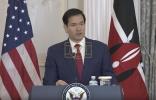
U.S. Secretary of State Marco Rubio outlined a transformative approach to foreign health aid during a December 4, 2025, speech in Nairobi, emphasizing sustainable, long-term infrastructure development rather than reliance on external NGO systems. Speaking at the announcement of a $1.6 billion, five-year health aid framework with Kenya, Rubio underscored that the initiative is designed to make partner nations increasingly self-sufficient over time.
“... money is not just going to be spent to provide medicine and care. It’s going to be spent to improve the domestic infrastructure, health care infrastructure, so that in 5 or 6 or 7 or 8 years countries will say: we no longer need this much assistance, if any, because we have our own system,” Rubio explained.
This framework reflects a broader policy shift under the Trump Administration, prioritizing direct government-to-government partnerships with strategic allies like Kenya. By strengthening domestic healthcare systems, the initiative seeks to counter inefficiencies associated with the so-called “NGO industrial complex,” which often sidelines host governments and creates parallel systems that undermine national capacity.
The program will fund essential health commodities, workforce development, and infrastructure upgrades, giving Kenya meaningful oversight and control over how resources are deployed. The Trump Administration argues that this approach ensures maximum impact, accountability, and long-term stability, while positioning Kenya as a model for sustainable health development in East Africa.
Rubio’s remarks signal a new standard for U.S. foreign aid—one that combines strategic diplomacy, fiscal responsibility, and empowerment of local governments, demonstrating a commitment to long-term partnership over short-term intervention.
