איראן אויף העכסטע אלערט: קיין שום קאמערציעלע שיף איז נישט זיכער אינעם הארמוז אן די ערלויבעניש און אויפזיכט פונעם רעזשים.
גאלערי
ווידעאס
Iran Claims Absolute Lockdown of Strait of Hormuz, Brands U.S. Ship Reports Pure Fake
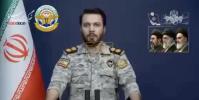
Iran is boldly asserting complete domination over the Strait of Hormuz, one of the world’s most vital energy chokepoints, and flatly rejecting any American claims that commercial vessels are transiting safely. An IRGC spokesman declared that no oil tanker or commercial ship can pass through the waterway without explicit Iranian authorization and continuous supervision. The regime is framing recent U.S. statements about free navigation as pure fabrications designed to mislead the international community. This aggressive posture comes amid heightened regional tensions following U.S.-Israeli strikes that began earlier this year.
Iranian forces are intensively monitoring every movement by American and Israeli assets in the area and remain on the highest state of alert. The spokesman issued a clear warning that any perceived threat will be met with an even more forceful Iranian response. The regime’s message leaves little room for ambiguity: Tehran intends to dictate the terms of access through a waterway that historically carries roughly one-fifth of the world’s oil and LNG shipments. Such rhetoric underscores the ongoing volatility and the regime’s determination to project power despite previous military setbacks.
These claims arrive against a backdrop of fragile interim ceasefires and competing narratives over control of the critical maritime corridor. By insisting on exclusive authority, Iran is attempting to intimidate shipping companies and challenge the long-standing principle of free navigation that the United States and its allies have defended. The IRGC’s emphasis on close tracking of U.S. and Israeli activities signals that the regime views the current standoff as far from resolved. Global energy markets and regional security remain under pressure as long as Tehran continues to issue these maximalist demands and threats of escalation.
