טריקעניש אנדעקט א טויטליכע צווייטע וועלט מלחמה מינע: סלאוואקיי דעטאנירט די אלטע בריטישע באמבע אן קיין שאדן.
גאלערי
ווידעאס
בס"ד
סלאוואקישע עקספערטן רייסן אויף א ריזיגע צווייטע וועלט קריג באמבע וואס איז אנטפלעקט געווארן צוליב די טרוקעניש אינעם דאנוב טייך
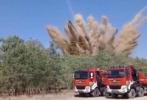
סלאוואקישע באמבע עקספערטן האבן מיט סוקסעס דורכגעפירט א קאנטראלירטע אויפרייס אויף א ריזיגע 700-קילאגראם בריטישע ים-באמבע פון די צווייטע וועלט קריג. די באמבע איז געפונען געווארן אינעם דאנוב טייך נעבן דעם דארף 'ווירט' ביים סלאוואקישן גרעניץ, נאכדעם וואס א שווערע טרוקעניש און היץ-כוואליעס האבן געפירט דערצו אז די וואסער פונעם טייך זאל פאלן צו א רעקארד-נידריגע שטאפל.
די אויטאריטעטן האבן רעאגירט זייער שנעל צו נייטראליזירן די געפארפולע באמבע וואס איז געלעגן באהאלטן אונטערן וואסער פאר מער ווי 80 יאר. די אפעראציע האט אפגעשטעלט דעם טראפיק אויפ'ן טייך פאר א שטיק צייט צו פארזיכערן די פובליק זיכערהייט, און די פארזיכטיגע שריט האבן פארמיטן א מעגליכע קאטאסטראפע פון די אלטע אויפרייס-מאטעריאל.
די היסטאריע פון די באמבע גייט צוריק צו א 1944 מיסיע פון די בריטישע לופט-פלאטע אונטערן נאמען "אפעראציע גארדענינג", ווען די בריטישע קרעפטן האבן אראפגעווארפן באמבעס אינעם טייך צו שטערן די נאצישע סופליי רוטס. די עקסטרעם-נידריגע וואסער שטאפלען דעם זומער האבן אנטפלעקט צענדליגע איבערבלייבענישן פון די קריג איבער גאנץ אייראפע, אריינגערעכנט געזינקענע קריגס-שיפן און אנדערע חפצים אין עטליכע לענדער. אין סלאוואקיי האט די פלוצלינגדיגע ערשיינונג פון די באמבע אהערגעשטעלט אן ערנסטע סכנה פאר שיפן און די ארומיגע איינוואוינער. די באמבע עקספערטן האבן באשלאסן אז א קאנטראלירטע אויפרייס איז דער סעיפסטער וועג פטור צו ווערן דערפון, און מיט די סוקסעספולע אויפרייס האבן זיי באזייטיגט אן אנגייענדע סכנה פון איינע פון אייראפע'ס וויכטיגסטע וואסער-וועגן.
די רעקארד-נידריגע וואסערן אינעם דאנוב טייך האבן אנגעמאכט פילע אנדערע פראבלעמען אויסער די אלטע באמבעס. די מאנגל אין וואסער האט אפעקטירט די פראדוקציע פון עלעקטריק און די קולינג סיסטעמען פון נוקלעארע פלענטס אין די ראיאן. די צייטווייליגע פארמאכונג פונעם טייך דורכאויס די באמבע אפעראציע האט צוגעגעבן צו די שוועריגקייטן פאר קאמערציאלע טראפיק. עקספערטן ווייזן אן אז אזעלכע געפינסן ווערן אלס מער אפט וויבאלד די טרוקענישן האלטן אן איבערן קאנטינענט, וואס דאס ברענגט ארויס סיי די היסטארישע וואונדן פון די צווייטע וועלט קריג און סיי די מאדערנע עפעקטן פון עקסטרעמע וועטערס אויף די גרויסע טייכן.
די סוקסעספולע אפעראציע צייגט די פראפעסיאנאליזם פון די סלאוואקישע ספעציעלע טיעמס אין זיך ספראווען מיט אומגעראכטענע קריגס-געפארן. וויבאלד די וואסער שטאפלען זענען נאך אלס אומגעווענליך נידריג, האלטן די אויטאריטעטן ווייטער אן אן אויג אויפ'ן טייך פאר נאך אלטע חפצים וואס קענען ארויפשווימען. לאקאלע באאמטע האבן געבעטן דעם ציבור צו זיין פאָרזיכטיג ביי די אפעקטירטע טיילן פונעם דאנוב טייך, בעת די אונטערזוכונגען גייען אן. דאס איז נאך א קאפיטל אין די אנגייענדע געשיכטע פון אייראפע'ס קריגס-פארגאנגענהייט וואס שווימט ארויף צוליב די נאטורליכע טוישונגען.
