איראנע בארטן רויט פון נאטורליכע קאליר נאכן רעגן
גאלערי
ווידעאס
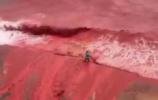
A striking natural phenomenon unfolded this week on Iran’s Hormuz Island as heavy rainfall transformed the island’s famous Red Beach into a vivid crimson landscape, creating the appearance of rivers of blood flowing into the sea.
Video and photos captured on December 17, 2025, show rainwater washing iron oxide-rich soil from the island’s cliffs and shoreline directly into the shallow coastal waters. The result was a dramatic red tide effect, with the sand and sea turning deep shades of crimson almost instantly.
Hormuz Island’s Red Beach is well known for its unique geology. The island contains exceptionally high concentrations of iron oxide in its soil and rock formations, giving the sand its distinctive red color. When rainfall occurs, the loose mineral-rich sediment is carried downhill, intensifying the visual effect as it mixes with seawater.
Scientists and geologists note that this phenomenon is entirely natural and has been documented in previous studies of Hormuz Island’s mineral composition. While visually startling, the red coloration does not indicate pollution or contamination, but rather the natural erosion of iron-rich sediments during periods of rainfall.
The event marked the first significant rainfall spectacle on the island this year and quickly drew attention online due to its dramatic resemblance to flowing blood. Visitors and locals alike described the scene as both eerie and mesmerizing, highlighting the island’s reputation as one of the most geologically unique locations in the region.
Hormuz Island, located in the Strait of Hormuz, continues to attract scientific interest and tourism for its unusual mineral formations, vivid landscapes, and rare natural displays that emerge during seasonal weather events.
