אינערלעכע רייבעריי: איראן פארלאמענט ספיקער באשולדיגט IRGC קאמאנדיר אין פאררעטעריי.
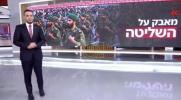
Reports from Channel 14 reveal a dramatic confrontation in Tehran between Mohammad Bagher Ghalibaf and Ahmad Vahidi over allegations of embezzlement. According to the report, Ghalibaf accused Vahidi of diverting funds, leaving IRGC soldiers without salaries, and questioned his ability to defend critical oil chokepoints such as Kharg Island and the Strait of Hormuz against U.S. forces. The exchange highlights growing internal tensions amid ongoing U.S. and Israeli strikes on Iranian infrastructure, as Day 30 of the conflict approaches.
The reported dispute coincides with verified economic strains affecting Iran’s security forces, including delayed salaries, desertions, and leadership shifts following high-profile assassinations. Ghalibaf’s stance appears to advocate for pragmatic engagement with the United States, while hardline elements of the IRGC reportedly resist negotiations. Analysts note that even if some reports remain unverified, they underscore real pressures within Iran’s military and political apparatus, reflecting the challenges of sustaining cohesion under sustained external and internal stress.
This internal friction exposes potential vulnerabilities within the IRGC, raising questions about morale, operational readiness, and loyalty among key personnel. Observers suggest that such clashes could create openings for external pressure or targeted diplomacy, with U.S. interest reportedly focused on leveraging Ghalibaf as a negotiation channel. The situation illustrates the complex interplay between internal politics and external military pressures in Tehran, where factionalism can influence strategic outcomes.
Despite uncertainty around some of the claims, the episode signals broader regime fractures that could have significant implications for Iran’s response capabilities. Delays in pay, combined with operational strain and leadership disputes, may compromise the IRGC’s ability to maintain full control over vital infrastructure. In turn, these weaknesses could impact the balance of power in the Gulf region, particularly regarding the Strait of Hormuz and Iranian energy security.
As U.S.-Iran tensions continue to escalate in 2026, this confrontation serves as a reminder of the internal pressures facing Tehran’s leadership. Analysts are closely monitoring such developments, interpreting them as both a symptom of economic and military strain and as a potential strategic leverage point for diplomatic initiatives. The unfolding dynamic highlights how internal divisions can intersect with external conflict to shape the broader trajectory of the crisis.
גאלערי
ווידעאס
