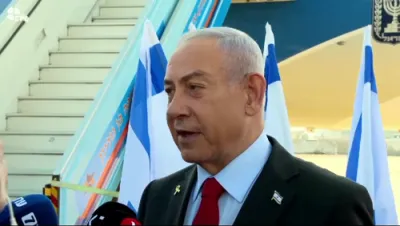
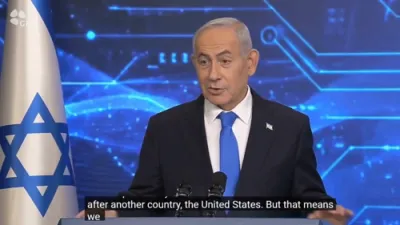
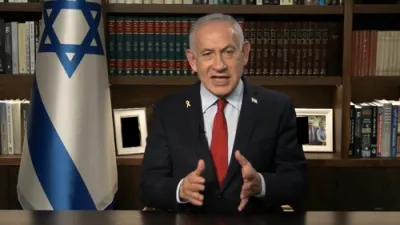
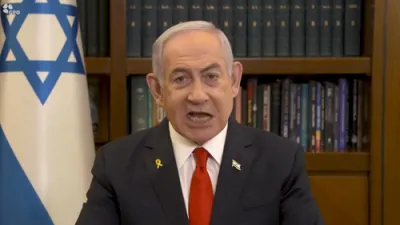
נתניהו באשטעטיגט א היסטארישע 35 ביליאן דאלאר גאז אפמאך צווישן מדינת ישראל און מצרים.
Prime Minister Benjamin Netanyahu has approved Israel’s largest-ever natural gas agreement, a landmark $35 billion deal with Egypt that cements Israel’s role as a major regional energy supplier while reinforcing strategic security and diplomatic interests.
The agreement will see Israel export approximately 130 billion cubic meters of natural gas from the Leviathan field, located off the coast near Haifa, to Egypt through 2040. The deal more than doubles previous export commitments and is expected to generate substantial long-term revenue for Israel, including an estimated 58 billion shekels in taxes and royalties, alongside roughly 16 billion shekels in infrastructure investments.
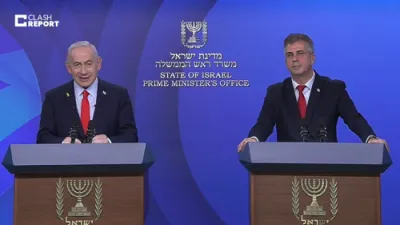
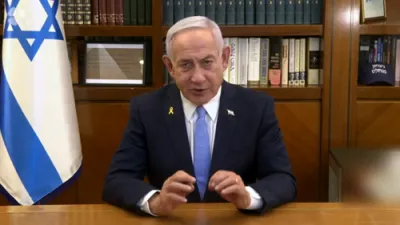
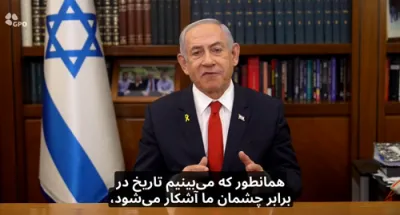
“I approved the deal after I ensured our security interests and other vital interests, and I will not detail all of them here,” Netanyahu stated, underscoring that national security considerations were central to his decision.
The gas will be supplied by Chevron and NewMed Energy and routed through existing and expanded infrastructure into Egypt, where it will help address ongoing energy shortages. Revenues for Israel will begin at modest levels before scaling up significantly, with annual state income projected to reach as much as 6 billion shekels in later years.
Approval of the deal had been delayed since August due to Israeli security concerns, particularly regarding weapons smuggling from Gaza and increased militarization in Egypt’s Sinai Peninsula. Those concerns were resolved through U.S.-mediated negotiations involving Chevron, ensuring that the agreement aligns with Israel’s defense priorities and strategic red lines.
Beyond its economic impact, the agreement reinforces the economic pillar of the 1979 Israel–Egypt peace treaty. Despite tensions and public disagreements over the Gaza conflict, the deal demonstrates that core bilateral cooperation remains intact, even under the strain of war.
Supporters of the agreement have hailed it as a transformative economic achievement that strengthens Israel’s energy independence, expands its geopolitical influence, and stabilizes regional energy markets. Critics, meanwhile, have attempted to link the deal to the broader conflict environment. Netanyahu and his allies argue that strong economies, energy security, and strategic partnerships are essential components of long-term regional stability.
By securing this historic agreement, Israel not only advances its economic future but also reinforces its position as a reliable energy partner in the Middle East, proving once again that national strength, security, and diplomacy can move forward simultaneously.