פרעזידענט טראמפ זאגט אז פארמערס בליען און 12 ביליאן דאלער פארם שטיצע ווערט פינאנצירט דורך טאריפס
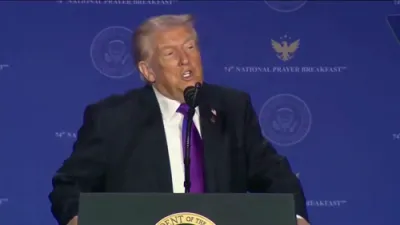
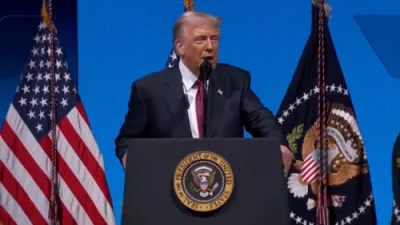
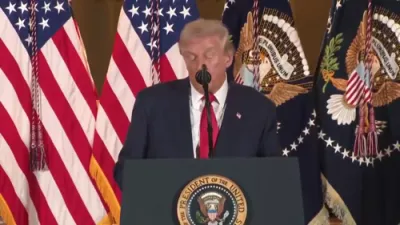
President Donald Trump used his address at the 74th annual National Prayer Breakfast in Washington, D.C. to highlight what he described as strong support for America’s farmers, pointing to a $12 billion Farmer Bridge Assistance program funded through tariff revenues. Speaking to an audience of lawmakers, faith leaders, and dignitaries, President Trump emphasized that the aid was designed to ensure fairness for U.S. farmers facing foreign trade disadvantages, not to create dependency on government support.
According to President Trump, the assistance is being delivered through the U.S. Department of Agriculture’s Commodity Credit Corporation and is aimed at easing disruptions caused by ongoing trade tensions, particularly those affecting key crops such as soybeans and corn. He noted that payments are structured to reach eligible farmers by February 28, 2026, with soybean growers receiving payments of approximately $30.88 per acre, offering timely relief amid rising production costs and narrowing profit margins.
During his remarks, President Trump rejected claims that the program represents a bailout, arguing instead that it is funded by tariff revenues rather than general taxation. He portrayed farmers as resilient and successful, stating that they do not seek handouts but fair treatment in global markets that have long placed American producers at a disadvantage. His comments were framed as a defense of trade policies intended to protect domestic industries while negotiations continue with foreign competitors.
Critics have labeled the program a taxpayer-backed subsidy tied to tariff policy, questioning its long-term effectiveness. However, many farm leaders view the initiative as necessary short-term support while broader trade disputes remain unresolved. They argue that the assistance helps stabilize rural economies during periods of uncertainty without undermining the independence of the agricultural sector.
The $12 billion Farmer Bridge Assistance program, announced by the USDA in December 2025, reflects the administration’s broader approach to trade and agriculture: applying pressure through tariffs while offsetting transitional impacts on American producers. As trade talks continue and global markets remain volatile, President Trump has positioned the program as evidence that his administration is willing to stand behind farmers while pursuing what it considers fair and reciprocal trade relationships.