העגסעט זאגט אז דראג שיפן פארשווינדן נאך א שווערע ענפארסמענט טויש.
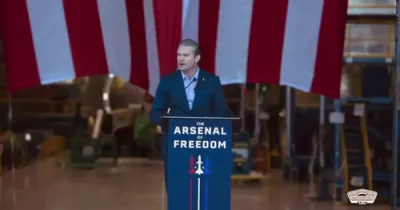
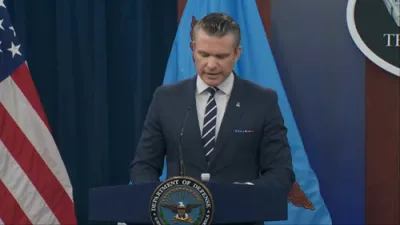
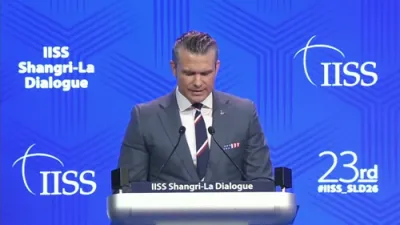
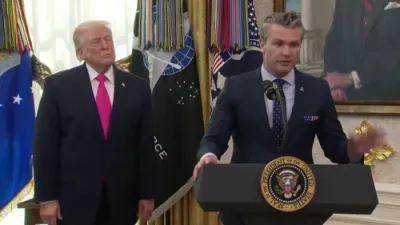
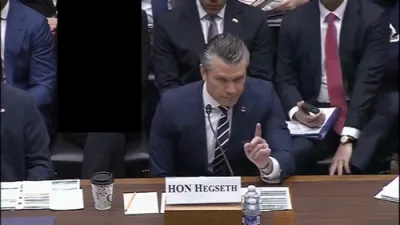
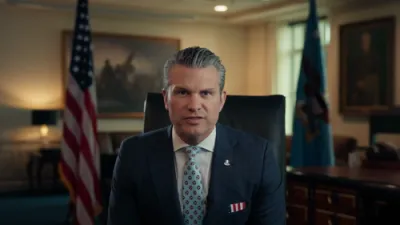
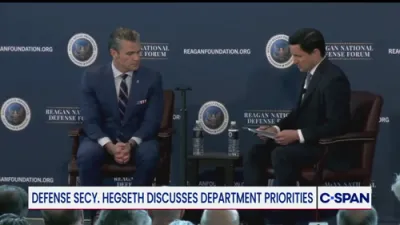
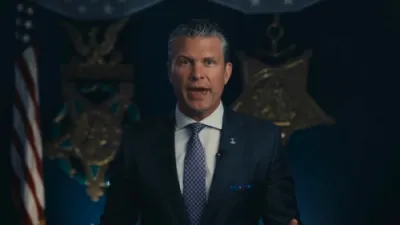
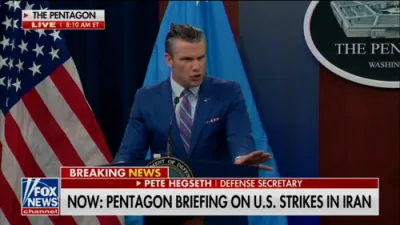
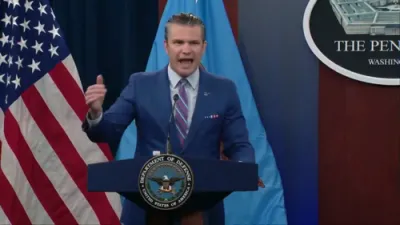
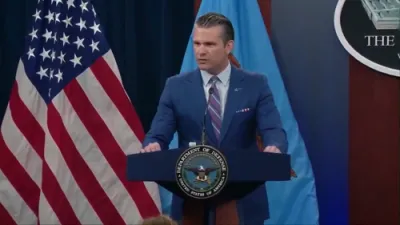
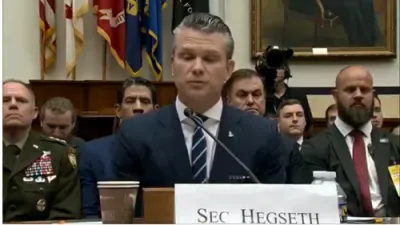
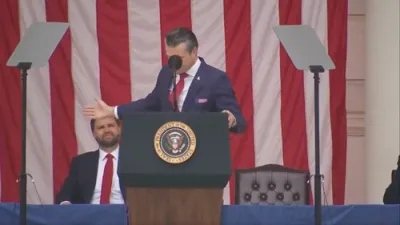
Secretary of War Pete Hegseth drew attention during a February 2026 Trump campaign event by highlighting what he described as the dramatic effects of the administration’s aggressive maritime drug interdiction policy. “I don’t know if you noticed—there haven’t been many boats sunk recently because we can’t find any boats to sink,” Hegseth said, framing the remark as evidence that deterrence, rather than restraint, has altered the behavior of drug-smuggling networks operating in international waters.
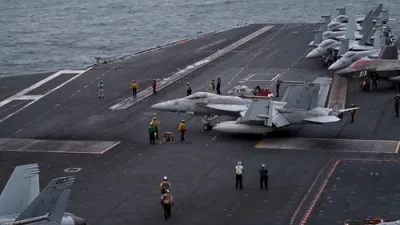
The statement referred to a policy launched in late 2025 that marked a decisive break from prior “catch-and-release” approaches to narco-trafficking. Under the new framework, U.S. forces moved to disable and, in some cases, destroy vessels used for large-scale drug smuggling before they could reach transit routes toward the United States. Administration officials have argued that the strategy targets organized criminal enterprises, deprives cartels of critical logistics, and raises the cost of participation in maritime trafficking operations.
Supporters of the policy point to a noticeable decline in detected smuggling activity along key maritime corridors as evidence that firm enforcement is working. They argue that by eliminating the expectation of leniency, the administration has forced traffickers to reconsider routes, methods, and participation altogether. In this view, the absence of boats to intercept reflects success, not excess, and underscores a broader commitment to border security and public safety.
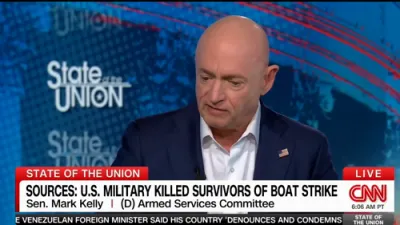
Critics, however, have raised legal and ethical concerns, particularly over reports of lethal strikes and allegations involving the treatment of survivors. Outlets such as The New York Times have scrutinized whether aspects of the policy comply with international law governing the use of force at sea. Administration officials counter that operations are conducted within rules of engagement designed to protect U.S. forces while disrupting criminal networks that profit from addiction, violence, and instability.
Hegseth’s remarks encapsulated the administration’s broader law-and-order posture, emphasizing deterrence as a core principle of national security. By signaling that traffickers no longer enjoy permissive conditions at sea, the administration aims to project resolve and reduce the flow of illicit drugs long before they reach American shores. Whether viewed as a necessary crackdown or a controversial escalation, the policy has unmistakably reshaped the maritime fight against narco-trafficking and remains a defining element of the Trump administration’s enforcement agenda.