טעסלא פלאנט מאסן פראדוקציע אין 2026
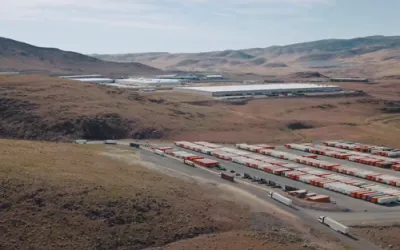
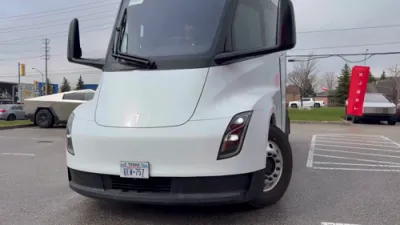
Tesla is set to ramp up production of its electric Semi trucks in 2026 at its Nevada factory, transitioning from pilot fleets delivered to early customers like PepsiCo since late 2022. The early trucks demonstrated impressive operational capabilities, hauling full loads over 400 miles on a single charge, with PepsiCo drivers logging up to 1,600 miles over two days at average speeds of 65 mph. Operators report up to 70% lower fuel costs compared with traditional diesel trucks.
The Tesla Semi promises significant total cost-of-ownership savings. Electricity costs range between $0.15 and $0.25 per mile, compared to $0.50–$0.70 per mile for diesel, offering a 60-70% reduction in energy expenses. Near-zero maintenance requirements, thanks to fewer moving parts and the elimination of diesel aftertreatment systems, combined with remote diagnostics and over-the-air software updates, maximize uptime and minimize service interruptions. Fleet operators can therefore achieve a positive return on investment before reaching the end of their standard diesel replacement cycle.
While challenges remain, including battery weight and the expansion of charging infrastructure, Tesla plans to address these through nationwide Megachargers and semi-autonomous features designed to optimize efficiency further. By early 2026, the scaling of Semi production aligns with industry studies projecting cost parity between electric and diesel trucks between 2026 and 2028, supported by real-world operational data.
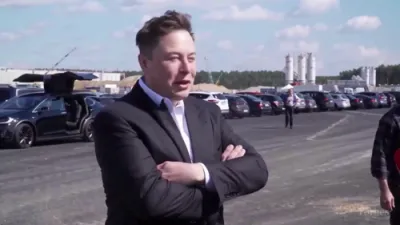
Elon Musk emphasizes that the Tesla Semi is not only a technological milestone but a game-changer for fleet economics, offering lower energy costs, reduced maintenance, and continuous performance improvements. For fleet operators and logistics companies, the Semi represents a major step toward sustainable, cost-efficient freight operations across the United States.