ווענס ווארנט קעגן צוריקגעבן מאכט צו דעמאקראטן.
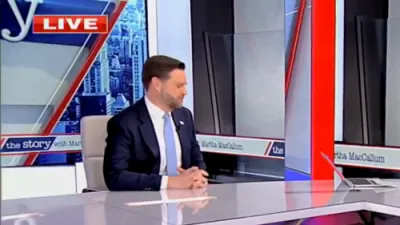
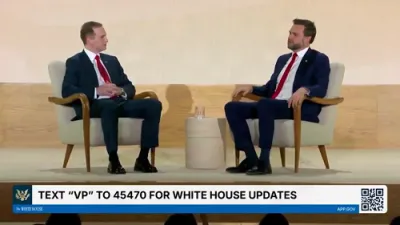
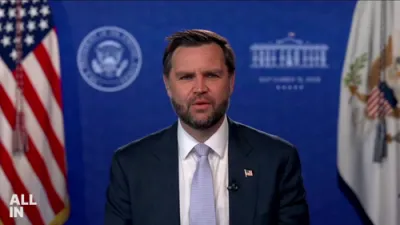
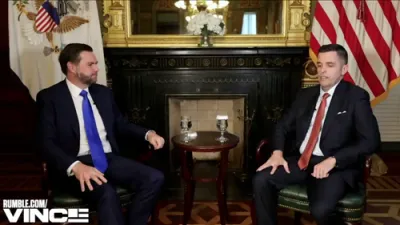
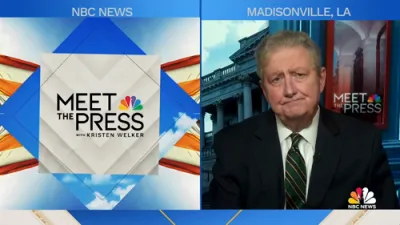
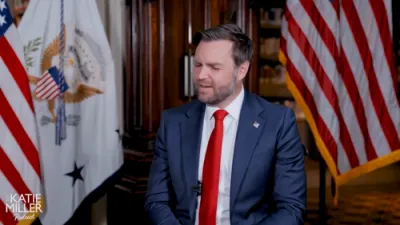
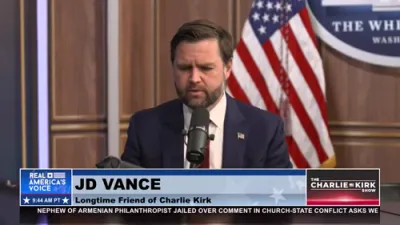
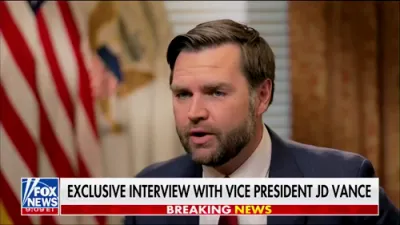
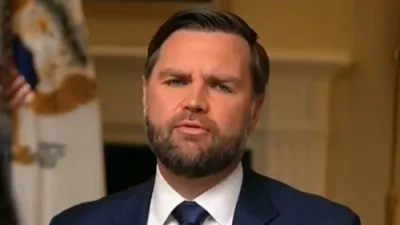
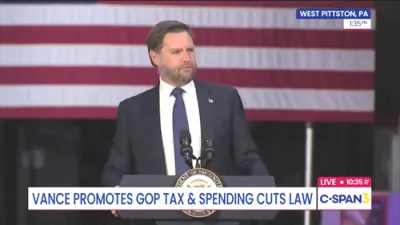
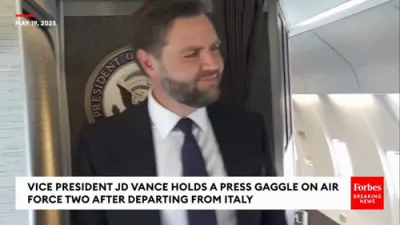
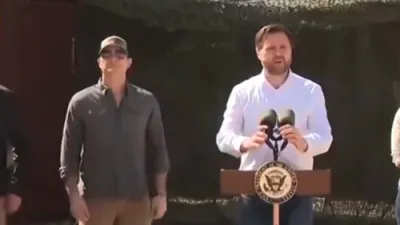
Vice President J.D. Vance is sharpening the political stakes ahead of the 2026 midterm elections, presenting the contest as a clear referendum on the economic and public safety record of Democratic leadership since 2021. In a recent interview, Vance argued that voters face a binary choice between continuing what he described as a Republican-led recovery or returning control to policymakers he blames for inflation, declining real wages, and increased insecurity.
The vice president’s framing reflects a broader Republican strategy to nationalize the midterms around economic performance and quality-of-life concerns, areas where polling indicates persistent voter anxiety. By tying Democratic governance to higher living costs and public safety challenges, Vance is attempting to consolidate support among working- and middle-class voters who have expressed frustration over housing affordability, energy prices, and crime trends in major metropolitan areas.
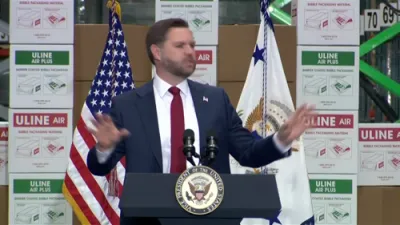
Vance’s message also aligns with an aggressive fundraising and campaign mobilization effort aimed at preserving Republican majorities in Congress. With several competitive Senate and House races on the map, the administration is seeking to convert its policy narrative into electoral momentum, emphasizing deregulation, domestic energy production, and stricter border enforcement as pillars of what it calls a stabilization agenda.
The political calculus is further shaped by historically challenging midterm dynamics for incumbent administrations. Republicans are working to counter that trend by portraying the current period as a corrective phase following what they characterize as policy missteps in the early 2020s. Democrats, for their part, are expected to focus on healthcare access, social programs, and criticisms of Republican economic priorities, setting up a sharply defined contrast in campaign messaging.
Beyond the immediate electoral stakes, Vance’s high-profile role in the midterm effort is fueling speculation about his long-term political trajectory. His national visibility, frequent media appearances, and direct engagement in competitive races are consistent with positioning that could support a future presidential campaign, though the administration has framed his activities primarily as party-building rather than personal advancement.
As the campaign season accelerates, the vice president’s rhetoric underscores how both parties are seeking to frame the midterms not merely as a legislative contest but as a broader judgment on competing governing philosophies. The outcome will determine the administration’s ability to advance its policy agenda through Congress and will shape the political environment heading into the next presidential cycle.