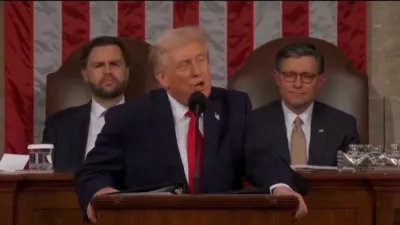
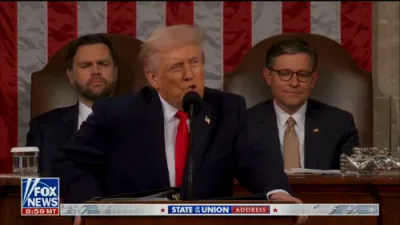
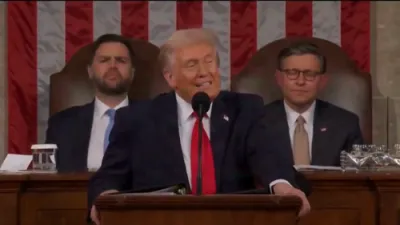
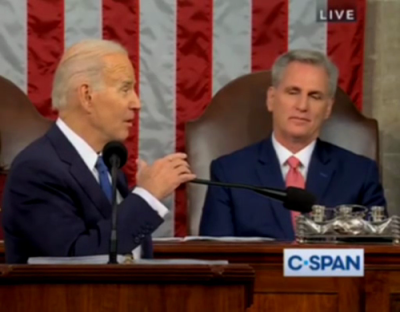
פרעזידענט טראמפ זאגט אז דעמאקראטן האבן אפגעווארפן שטייער רעליעף פאר ארבעטער.
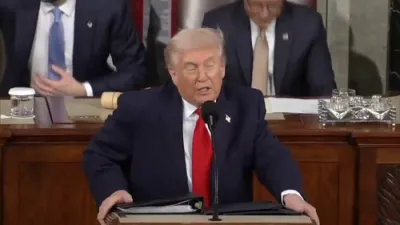
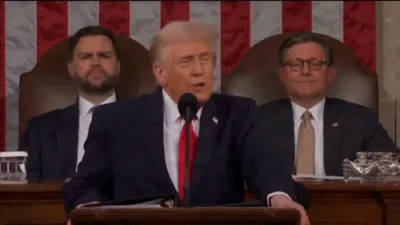
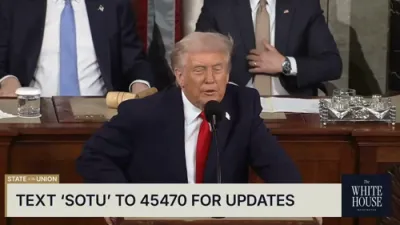
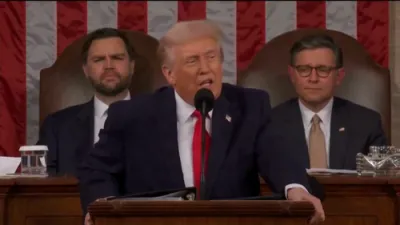
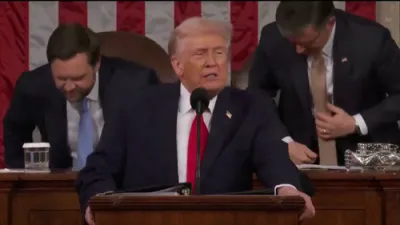
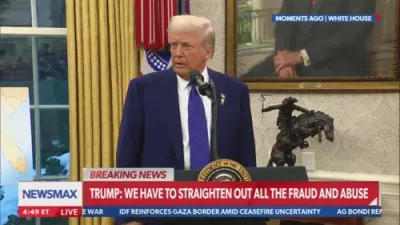
President Donald Trump used his February 25, 2026, State of the Union address to spotlight the passage of what he described as the largest tax reduction package in American history, emphasizing that the legislation cleared Congress with unified Republican support and no Democratic votes in either chamber. The measure, commonly referred to as the 2025 Tax Cuts and Jobs Act 2.0, extends key provisions of the 2017 reforms while introducing new exemptions for tips and overtime pay from federal taxation.
The administration has framed the law as a direct benefit to working Americans, arguing that eliminating federal taxes on tipped income and overtime earnings increases take-home pay for service-sector employees and hourly workers. Supporters contend that the policy strengthens labor incentives, boosts consumer spending, and reinforces a pro-growth economic framework built on lower marginal tax rates and expanded business investment.
Republican leaders have also highlighted the extension of individual and corporate rate structures established under the original 2017 law, asserting that maintaining those provisions prevents a scheduled tax increase and preserves economic stability. They point to continued job creation, capital formation, and wage growth as evidence that the broader tax strategy is producing measurable results. Within this narrative, the absence of Democratic support has been characterized as a rejection of broad-based tax relief.
Democratic lawmakers, however, opposed the bill on fiscal and distributional grounds. Budget analyses, including projections from the Congressional Budget Office, estimate that the package could add approximately $4.6 trillion to the federal deficit over the next decade. Critics argue that the revenue losses are not fully offset by economic growth and that the benefits are weighted toward higher-income households and corporations. They also raised concerns about long-term debt sustainability and the potential crowding out of future public investment.
The partisan divide reflects competing economic philosophies. The administration and its allies prioritize supply-side growth, contending that lower tax burdens stimulate productivity and expand the tax base over time. Opponents emphasize deficit reduction and targeted fiscal measures, warning that large-scale tax cuts without corresponding spending adjustments may exacerbate structural budget imbalances.
Trump’s remarks positioned the legislation as a cornerstone achievement, linking it to broader themes of economic expansion, workforce participation, and household financial security. By underscoring the party-line vote, he reinforced the political contrast between competing policy approaches while framing the tax package as a defining element of his administration’s economic agenda.
As implementation continues, the law’s long-term effects will be evaluated through revenue performance, investment trends, labor market dynamics, and deficit trajectories. The outcome of that assessment will shape future debates over tax policy, fiscal responsibility, and the role of government in promoting economic growth.