די ערשטע אפדעיטס פון די איראנע אטאקע אויף בית שמש
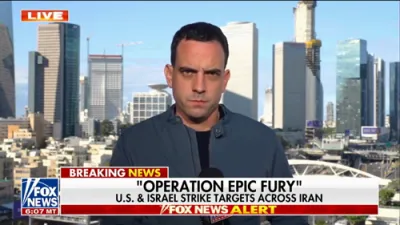
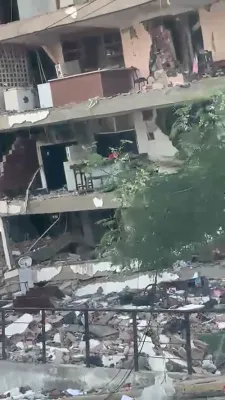
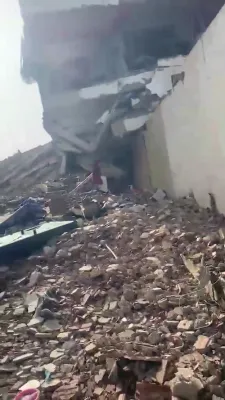
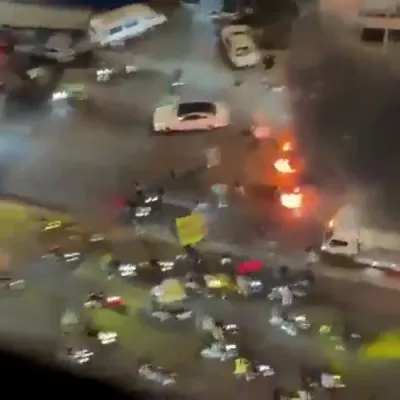
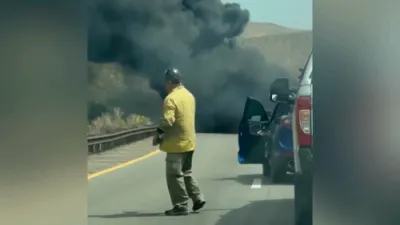
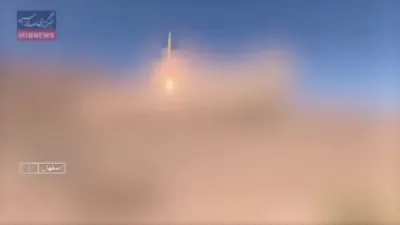
At least three people were killed and seventeen others injured when an Iranian ballistic missile struck multiple residential buildings in the ultra-Orthodox city of Beit Shemesh, west of Jerusalem. The attack occurred as part of Iran’s retaliatory operations following a joint U.S.-Israel strike that resulted in the death of Supreme Leader Ayatollah Ali Khamenei. Video footage from the scene shows emergency responders in yellow vests navigating streets filled with debris and thick smoke, assisting civilians in traditional attire, highlighting the strike’s impact on a community of over 150,000 residents known for its religious seminaries and minimal military involvement.
The missile strike is part of a larger Iranian campaign that launched over 200 missiles toward Israel and the UAE within 24 hours, raising the risk of further regional escalation and potential disruptions to global oil supplies via the Strait of Hormuz. Iranian state media has vowed additional retaliation, intensifying fears of sustained hostilities. Some of the missiles reportedly landed just miles from Jerusalem, underscoring the proximity of danger to major population centers.
Israeli authorities confirmed casualties across multiple residential structures, with emergency teams working to secure affected areas and provide immediate medical attention. Satellite imagery and reports indicate extensive damage, while ongoing assessments aim to track both structural impacts and potential unexploded ordnance. The attacks reflect a deliberate targeting of civilian-populated areas, signaling the high stakes and humanitarian risks in the current conflict escalation.
This latest strike underscores the growing intensity of the U.S.-Israel-Iran confrontation, with civilian populations directly affected and regional security increasingly fragile. The international community continues to monitor the situation closely, as each retaliatory cycle amplifies both military and humanitarian consequences in the region.