🚨 עפיק פיורי קריג: מדנ"י אטאקירט טעהראן
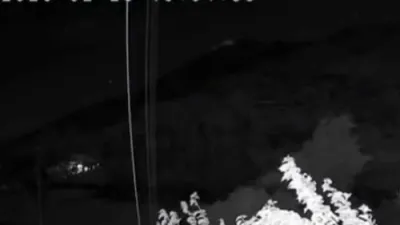
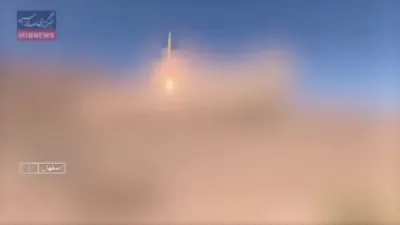
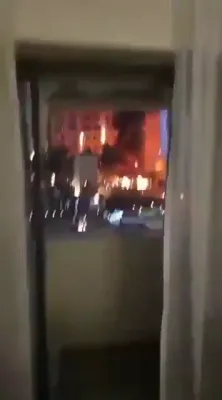
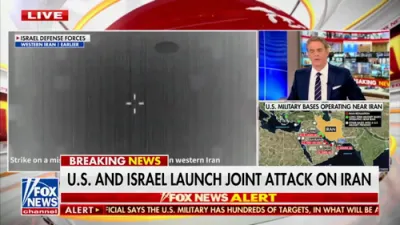
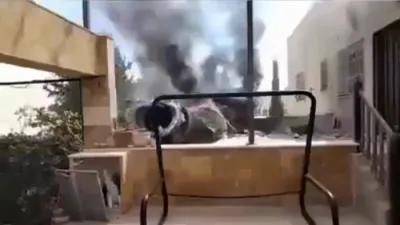
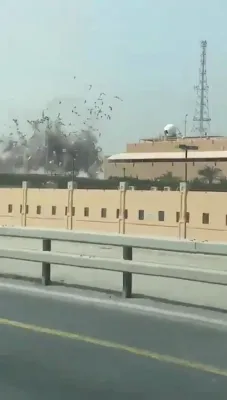
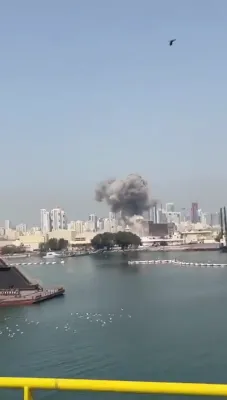
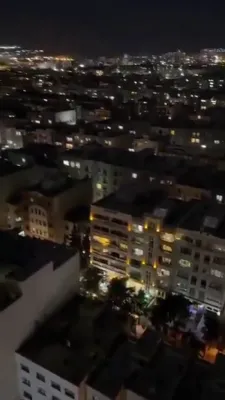
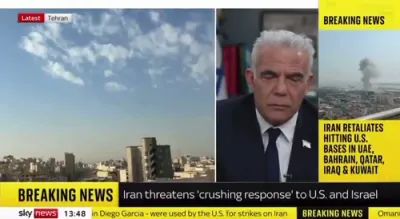
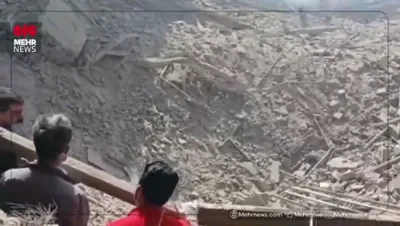
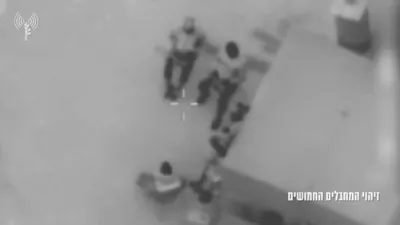
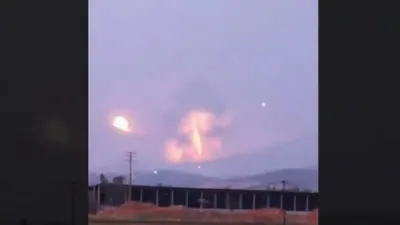
Footage circulating online shows Israeli Air Force jets conducting multiple airstrikes on structures in Tehran’s Qasr Firouzeh district, producing large smoke plumes and fires consistent with a direct hit on what is believed to be an Islamic Revolutionary Guard Corps headquarters. Eyewitness videos and satellite imagery, including material broadcast by Iranian state media, appear to corroborate that the targeted compound sustained significant damage.
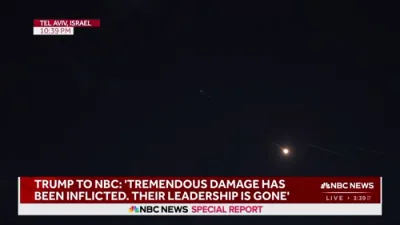
The February 28, 2026, operation is reported to be part of a coordinated U.S.-Israel preemptive effort, accelerated by intelligence indicating a high-level IRGC leadership meeting at the site. Initial reports claim that senior Iranian figures were present, including Supreme Leader Ayatollah Ali Khamenei and IRGC chief Mohammad Pakpour, along with several other officials. Independent confirmation of these casualties remains limited, and the full extent of losses has not yet been verified.
The strike marks a dramatic escalation in the ongoing confrontation between Iran and the U.S.-Israel alliance, reflecting a shift toward targeting command-and-control infrastructure and senior leadership nodes rather than solely military assets. Analysts note that such actions aim to disrupt operational planning, degrade strategic coordination, and impose psychological pressure on Iran’s security apparatus.
The urban location of the targeted facility highlights the risks associated with high-value strikes in densely populated areas, raising concerns about collateral damage and potential civilian impact. Iranian authorities have not released a comprehensive casualty report, but emergency response activity and visible structural damage indicate a significant event.
If confirmed, the loss of top leadership figures would represent one of the most consequential blows to Iran’s power structure in decades, with potential ramifications for internal succession dynamics, IRGC command continuity, and the broader regional security environment. At the same time, such a development could prompt retaliatory measures through Iran’s conventional forces or proxy networks, increasing the risk of a wider conflict.
As the situation develops, regional militaries remain on heightened alert, and diplomatic channels are under intense strain. The strike underscores the accelerating pace of events and the narrowing margin for de-escalation in a rapidly evolving crisis.