עפיק פיורי קריג: איראן האט ארויסגעגעבן ראקעט לאנטש ווידעא נאך די אמעריקאנע איזראעל אטאקעס.
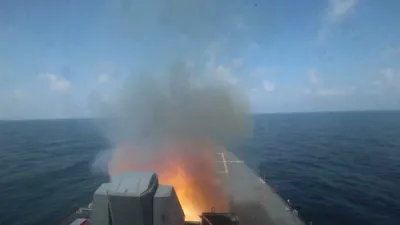
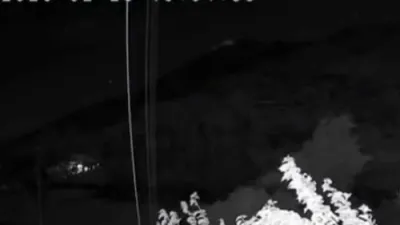
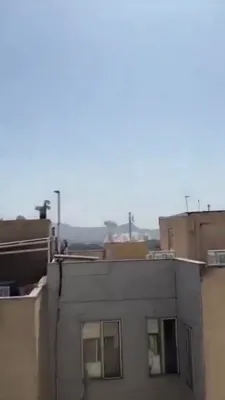
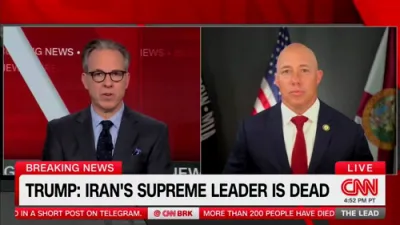
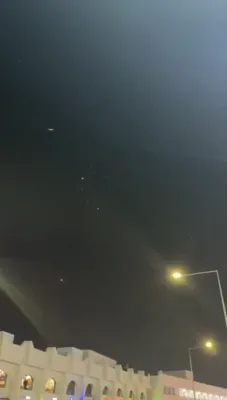
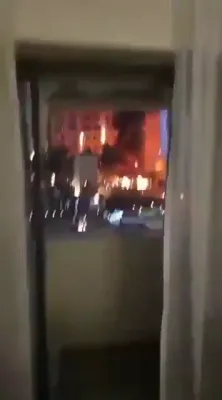
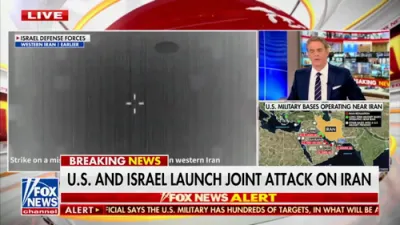
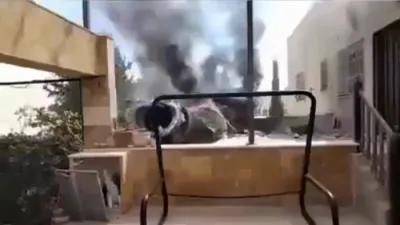
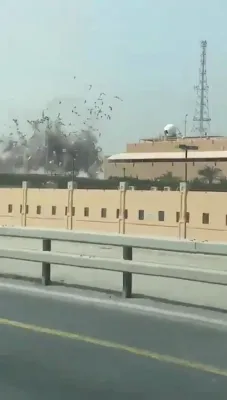
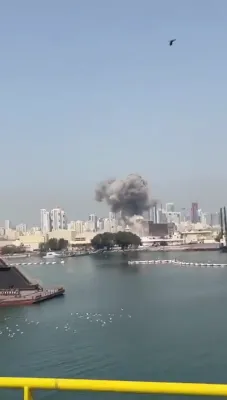
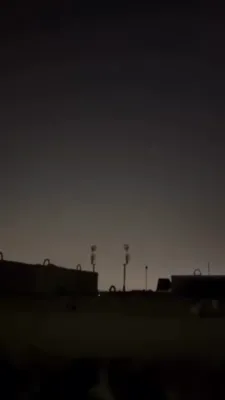
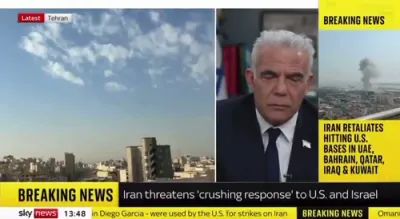
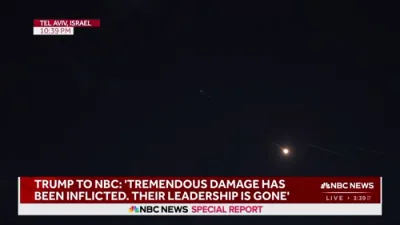
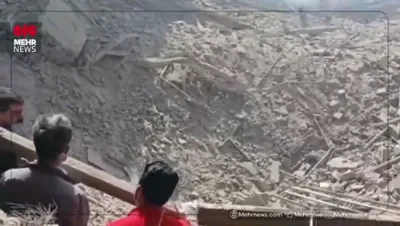
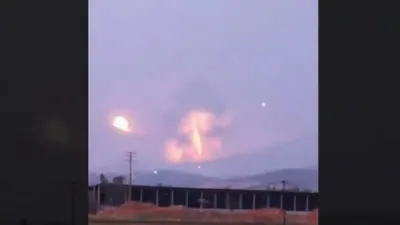
Iranian state media has released footage showing multiple ballistic missiles launching from a desert location at dusk, presented as retaliation for the February 28, 2026, U.S.–Israel strikes on Iranian targets. The video depicts fiery contrails and rising smoke plumes, accompanied by Persian-language text overlays asserting that the launches were part of a coordinated response to attacks that reportedly killed more than 200 people and targeted senior regime figures.
However, the footage has drawn scrutiny online due to blurred backgrounds and limited identifying features, leading some observers to question whether the material reflects a live operational launch or recycled propaganda from prior exercises. Independent verification remains limited, and neither U.S. nor Israeli officials have publicly confirmed the scale or impact of the claimed missile barrage.
The release of such imagery fits a broader pattern of information warfare accompanying military escalation, as Tehran seeks to project capability and resolve while shaping domestic and regional perceptions. Even unverified visuals can serve a strategic purpose by signaling deterrence and demonstrating an ability to respond to high-profile strikes.
Analysts note that the credibility of the footage will depend on corroborating evidence such as satellite data, intercept reports, or confirmed impact sites. In the absence of that verification, the video functions primarily as a messaging tool within the rapidly evolving conflict environment.
As tensions remain high, both sides continue to balance kinetic actions with narrative control, using media releases to influence public opinion, reassure domestic audiences, and complicate adversary decision-making. The information domain has become an integral front in the broader confrontation, operating alongside conventional military operations.