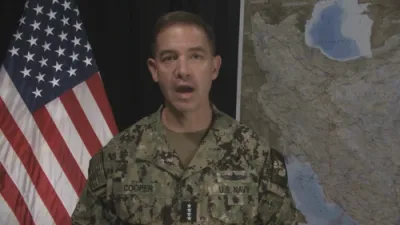
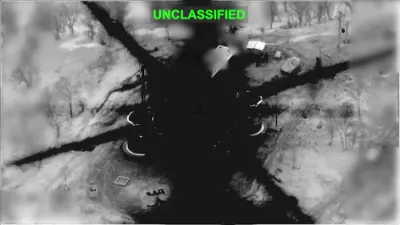
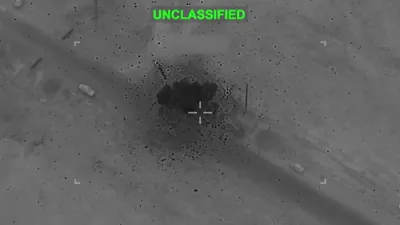
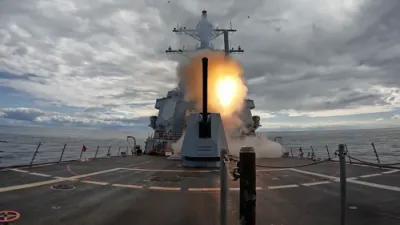
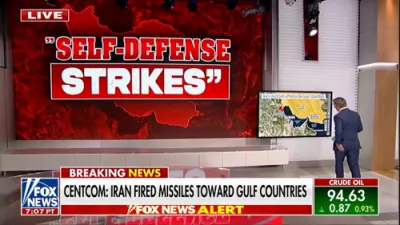
סענטקאם אנטפלעקט מיטל מזרח'ס מערסט צוזאמענארבעט לופט פארטיידיגונג.
According to CENTCOM, the system integrates multiple layers of missile defense technology operated by the United States and regional partners. Among the most prominent components are the U.S.-built Patriot missile defense platforms, Israel’s Iron Dome system designed to intercept short-range rockets, and various air defense systems operated by Gulf partners including Saudi Arabia. The integration of these systems allows radar data, targeting information, and interception responsibilities to be shared across borders, creating a coordinated response against incoming threats.
This approach reflects a major shift in how regional air defenses operate. In the past, many countries in the Middle East relied primarily on independent national defense systems that operated with limited coordination. The new structure aims to unify these capabilities into a single defensive network capable of responding rapidly to missile launches, drone swarms, and other aerial threats originating from hostile actors.
The development of the network comes amid escalating tensions tied to Iran’s missile and drone programs. Iranian forces and affiliated groups have frequently relied on ballistic missiles, cruise missiles, and unmanned aerial systems in conflicts across the region. These weapons are often used by proxy organizations or launched directly from Iranian territory, making rapid detection and interception a priority for regional defense planners.
In response to these threats, the United States has significantly expanded its air defense cooperation with allied governments. A major milestone in that effort occurred on March 8, 2026, when a new regional air defense coordination cell was opened in Qatar. The center is designed to synchronize defensive operations among participating nations, ensuring that early warning systems and missile interception platforms can operate as a unified network rather than isolated national assets.
CENTCOM officials say the integration of these capabilities dramatically increases the effectiveness of missile defense operations. During simulated exercises and operational testing, the combined systems have reportedly achieved interception rates exceeding 95 percent against incoming threats. While real-world combat conditions can differ from controlled tests, such results indicate the potential strength of a multilayered defense structure operating across the region.
For U.S. Army personnel stationed in the Middle East, operating Patriot systems remains a central component of this defensive strategy. Patriot batteries are designed to intercept ballistic missiles, aircraft, and advanced drones at long range, providing a protective umbrella for key military bases, population centers, and strategic infrastructure. When combined with shorter-range systems like Iron Dome and other allied interceptors, the layered defense approach ensures that multiple opportunities exist to neutralize a threat before it reaches its target.
Military analysts note that the public release of videos highlighting these defenses also carries strategic messaging. Demonstrating the scale of the network sends a signal to potential adversaries that attempts to overwhelm regional defenses may face a coordinated and technologically advanced response. The goal is not only to protect allied forces but also to strengthen deterrence by showing that missile and drone attacks are increasingly likely to fail.
By linking multiple national systems into a unified network, the United States and its partners aim to create a security structure capable of responding quickly to emerging threats while reinforcing cooperation among allied militaries. CENTCOM officials argue that this integrated shield represents a major step forward in protecting both military forces and civilian populations from the risks posed by increasingly sophisticated missile arsenals.