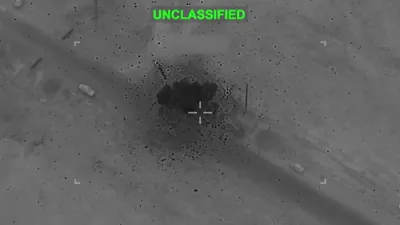
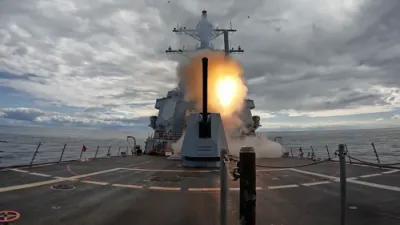
איראן צילט איזראעלי סיטי'ס און אינפראסטרוקטור מיט קלאסטער מוניציעס.
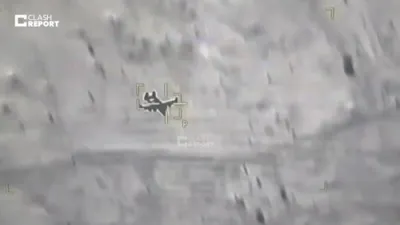
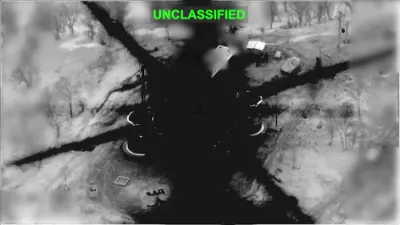
Israeli Defense Forces (IDF) reports that approximately half of the ballistic missiles fired by Iran during the ongoing 2026 conflict carry cluster warheads, significantly increasing the potential for civilian and infrastructure damage. According to military officials, these munitions disperse 20 to 24 submunitions each, with several kilograms of explosives spread across a radius of roughly ten kilometers, allowing broad-area targeting of population centers, military sites, and strategic infrastructure.
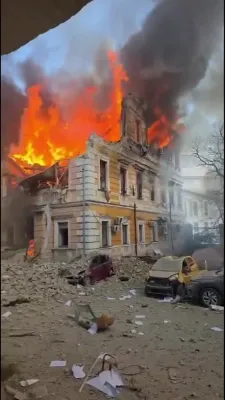
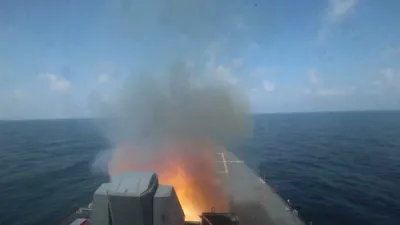
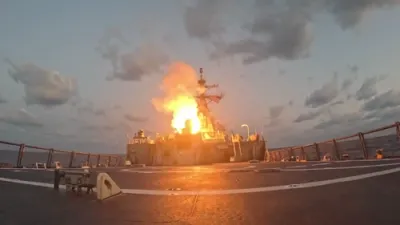
While Israeli missile defense systems, including Iron Dome and other interceptors, have successfully intercepted a majority of incoming threats—achieving success rates reportedly above 90 percent in recent salvos—IDF officials caution that the system is not hermetic. Individual missiles that evade interception or land partially intact can still inflict substantial damage. The dispersed nature of cluster warheads also increases risk to civilians and complicates cleanup and post-strike recovery due to unexploded submunitions.
The IDF notes that Iran has generally launched one to a few missiles at a time, suggesting logistical or technical challenges in coordinating larger barrages. Despite these limitations, the impact of cluster munitions remains significant due to their wide-area destructive potential. A single missile can affect multiple neighborhoods, military positions, or critical infrastructure, amplifying the threat even when launch volumes are modest.