די EU רופט פאר רואיגקייט נאך מאדורא'ס פארכאפונג
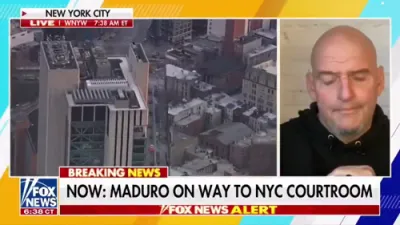
The European Union has called for calm and restraint in Venezuela following the U.S.-led operation that captured Venezuelan President Nicolás Maduro and his wife, Cilia Flores, on January 3, 2026. EU Foreign Policy Chief Kaja Kallas emphasized that all actors in the region should exercise caution and respect international law during this period of transition.
A joint statement from the EU, supported by 26 of its 27 member states, urged de-escalation and adherence to the UN Charter. Hungary was the sole dissenting voice, reflecting its pro-Trump stance and signaling divisions within the bloc regarding the legality and political implications of the U.S. operation.
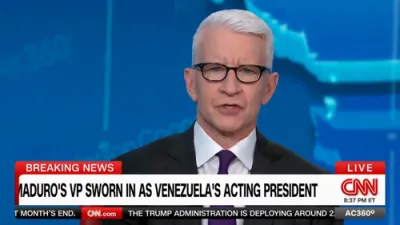
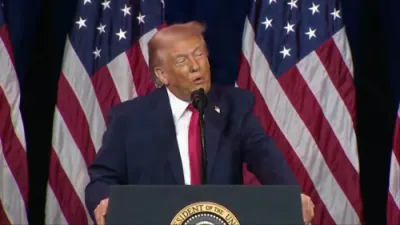
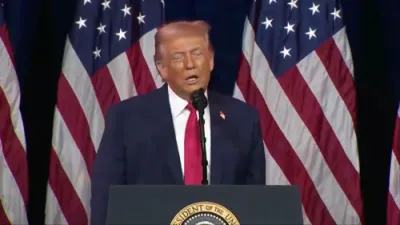
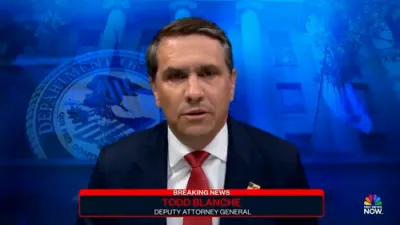
The capture of Maduro, who now faces U.S. drug trafficking charges, has left the Trump Administration in control of Venezuelan affairs temporarily. President Trump stated that the U.S. would “run” Venezuela until a safe and stable transition could be implemented, though details of the transition plan remain vague. These remarks have contributed to EU calls for measured action and careful oversight to prevent regional instability.
EU member states expressed varying perspectives on the situation. Spain condemned the operation as a breach of sovereignty, highlighting concerns over international norms, while Italy viewed the action as legitimate enforcement against a criminal regime. France acknowledged the public relief in Venezuela but refrained from directly addressing the legality of the operation. These differences underscore the complexity of international responses to the unprecedented U.S. intervention.
The EU statement reflects a broader effort to balance support for democratic principles with the need to avoid further escalation in the region. While backing restraint, the Union continues to monitor developments closely, emphasizing that the ultimate resolution of Venezuela’s political and humanitarian crisis should align with international law and regional stability.